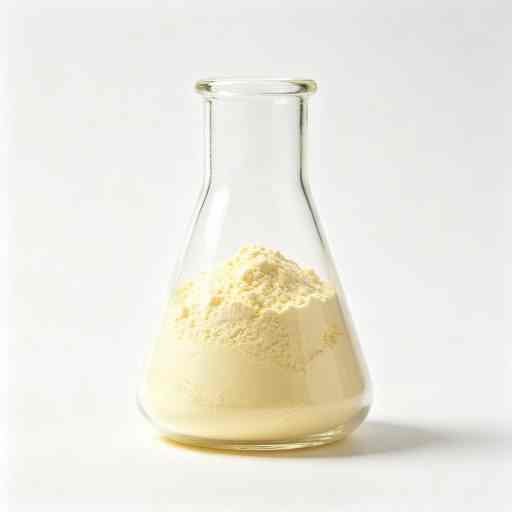
Wesentliche Details
Menge (Stück):10
MOQ:10T
Lieferzeit:15Days
Versand:Seetransport
Spezifikationsnummer:Silica ZLSIL
Paketbeschreibung:Verpackung aus Gewebebeutel oder Ventilsack
Produkteinführung
Mehrzweck-Fällungskieselsäure
Branchenübergreifende Qualität für Lebensmittel, Mundpflege, Pharmazie und Kosmetik | Entwickelt für die Märkte in Brasilien und Lateinamerika
Hergestellt durch fortschrittliche Nassfällungstechnologie, ist unsere hochreine amorphe hydratisierte Kieselsäure ein wahrhaft vielseitiger, branchenübergreifender Rohstoff, der sowohl mit globalen Qualitätsbenchmarks als auch mit brasilianischen lokalen regulatorischen Rahmenwerken übereinstimmt. Anders als Kieselsäureprodukte für einzelne Anwendungen bietet diese Universalqualität ausgewogene Leistung in vier vorrangigen Sektoren – Lebensmittelherstellung, Mundpflege, pharmazeutische Hilfsstoffe und Körperpflegekosmetik – und unterstützt zudem industrielle und Futtermittelzusatz-Anwendungen als ergänzende Szenarien.
Mit einstellbarer Partikelmorphologie, stabilen physikochemischen Eigenschaften und branchenführender Verunreinigungskontrolle entfällt für Kunden die Notwendigkeit, mehrere Kieselsäurequalitäten für verschiedene Produktlinien zu beschaffen und zu qualifizieren. Diese Komplettlösung rationalisiert erheblich die Beschaffung, Lagerverwaltung und Qualitätsprüfungsabläufe und macht sie zum bevorzugten multifunktionalen Kieselsäurematerial für Hersteller und Markeninhaber in Brasilien und der weiteren lateinamerikanischen Region.
Herstellerprofil
Zhongqi Shandong Silicon Material Co., Ltd. ist ein spezialisierter, technologiegetriebener Hersteller von Hochleistungs-Fällungskieselsäure mit Sitz in Shandong, China. Als nationales High-Tech-Unternehmen mit 8 unabhängigen Patenten für Kieselsäureproduktionstechnologie betreiben wir 6 große automatisierte Produktionslinien mit einer jährlichen Produktionskapazität von über 80.000 Tonnen, was eine stabile Großmengenversorgung für Kunden weltweit ermöglicht.
Unsere Mehrzweck-Kieselsäure wird in strikter Übereinstimmung mit GMP-Managementstandards hergestellt, mit einer vollständig geschlossenen Produktionsumgebung für Produkte in Lebensmittel- und Pharmagüte, um Kreuzkontamination zu vermeiden. Wir implementieren ein Rückverfolgbarkeitsmanagement über die gesamte Kette, das die Rohstoffbeschaffung, Reaktionsverarbeitung, Endproduktprüfung, Verpackung und Ausgangslogistik umfasst – jede Charge erhält einen eindeutigen rückverfolgbaren Code, mit vollständigen Produktions- und Prüfaufzeichnungen zur Auditierung.
Zur Unterstützung von Kunden im brasilianischen Markt stellen wir eine umfassende Reihe technischer und Compliance-Dokumente bereit, darunter Technical Data Sheet (TDS), Material Safety Data Sheet (MSDS), Certificate of Analysis (COA) und Methodenvalidierungsberichte. Unser technisches Team bietet zudem gezielte Unterstützung bei der ANVISA-Registrierung und Import-Compliance-Erklärung, um Kunden zu helfen, den Produkteinführungszyklus zu verkürzen und regulatorische Risiken zu reduzieren.
Unsere Produkte wurden von Kunden in Europa, Nordamerika und Südostasien weithit anerkannt und sind vollständig an die Anwendungsszenarien und regulatorischen Anforderungen des brasilianischen Marktes angepasst. Wir unterstützen flexible Anpassung von Kernparametern wie Partikelgröße, spezifischer Oberfläche und Ölabsorptionswert und bedienen sowohl multinationale FMCG-Unternehmen, die in Brasilien tätig sind, als auch führende lokale Unternehmen in den Bereichen Lebensmittel, Mundpflege, Pharmazie, Kosmetik, Futtermittel und Industrie.
Technische Spezifikationen (Standard-Universalqualität)
Nachfolgend finden Sie die Standardspezifikationen unserer Mehrzweck-Fällungskieselsäure. Alle Parameter können basierend auf spezifischen Branchenanwendungen und Formelanforderungen angepasst werden.
Position Standardspezifikation Anmerkungen
SiO₂-Gehalt (geglühte Basis) ≥ 97,5 % Hochreine amorphe Struktur, frei von kristalliner Kieselsäure
Glühverlust (1000℃, 1h) ≤ 8,0 % Spiegelt strukturellen Wassergehalt und thermische Stabilität wider
Feuchtigkeit (verpackt, 105℃, 2h) 3,0 – 5,5 % Ausgewogene Feuchtigkeit zur Vermeidung von Verklumpung und übermäßiger statischer Aufladung
pH-Wert (5%ige wässrige Suspension) 6,5 – 7,3 Nahezu neutral, hervorragende Kompatibilität mit den meisten Formulierungssystemen
Schüttdichte 0,20 – 0,28 g/cm³ Einstellbar zur Anpassung an verschiedene Dosier- und Mischprozesse
DBP-Ölabsorption 80 – 120 cm³/100g Anpassbar für Verdickungs-, Adsorptions- und Anti-Verklumpungsszenarien
Median-Partikelgröße (D50) 10 – 15 μm Anpassbar von 2μm bis 25μm für verschiedene Anwendungsanforderungen
BET-Oberfläche 100 – 140 m²/g Einstellbare Porenstruktur für Träger- und Adsorptionsfunktionen
Weißgrad (CIE L*) ≥ 97,5 Ultrahoher Weißgrad zur Verbesserung des Produkterscheinungsbildes
RDA-Wert (Mundpflege) 120 – 150 Anpassbar für Zahnpasten mit unterschiedlicher Aufhellungsintensität
Schwermetallgrenzwerte Arsen ≤1ppm, Blei ≤2ppm, Quecksilber ≤0,5ppm Deutlich strenger als gängige Branchenstandards
Gesamt-Aerobkeimzahl ≤ 50 cfu/g Erfüllt mikrobiologische Anforderungen für Lebensmittel, Pharmazie und Kosmetik
Kernmaterial Amorphe gefällte hydratisierte Kieselsäure Chemisch inert, ungiftig und nicht reizend
Standardverpackung 10/15/20kg exporttauglicher wasserdichter Kraftpapiersack mit PE-Innenauskleidung Kundenspezifische Verpackung und Private Labeling verfügbar
Handelsbedingungen FOB Qingdao / CIF Santos / CFR Rio de Janeiro / DDP wichtige brasilianische Städte Flexible Logistiklösungen für verschiedene Importanforderungen
Zertifizierungen & regulatorische Compliance
Alle unsere Zertifizierungen werden von autoritativen Drittinstitutionen ausgestellt, mit voller Gültigkeit und regelmäßigen jährlichen Audits. Sie bieten solide Unterstützung für reibungslose Zollabfertigung, Marktzugang und regulatorische Registrierung für Kieselsäureimporte nach Brasilien:
USP/NF Siliciumdioxid-Monographie-Konformität: Erfüllt die Standards des United States Pharmacopeia, anwendbar für pharmazeutische Hilfsstoffe und Anwendungen in Lebensmittelqualität und unterstützt die ANVISA-Registrierung von Pharma- und Lebensmittelprodukten in Brasilien.
ISO 22000:2018 Lebensmittelsicherheits-Managementsystem: Der gesamte Produktionsprozess folgt den Spezifikationen des Lebensmittelsicherheitsmanagements und gewährleistet stabile Compliance von Produkten in Lebensmittelqualität.
GMP-Zertifizierung für kosmetische und pharmazeutische Rohstoffe: Die Werkstattproduktionsverwaltung erfüllt GMP-Anforderungen und ist geeignet für die Herstellung von pharmazeutischen und kosmetischen Rohstoffen nach hohen Standards.
ISO 9001:2015 Qualitätsmanagementsystem: Vollprozess-Qualitätsmanagementsystem-Zertifizierung garantiert gleichbleibende Produktqualität.
SHC HALAL-Zertifizierung: International anerkannte Halal-Zertifizierung, angepasst an den großen Halal-Verbrauchermarkt in Brasilien und Unterstützung der Halal-Produkterklärung.
OU KOSHER-Zertifizierung: Weltweit anerkannte Kosher-Zertifizierung, die den Produktionsanforderungen von Kosher-Lebensmitteln und -Kosmetika entspricht.
FDA-Lebensmittelkontaktmaterial-Zulassung: Entspricht den US-FDA 21 CFR Standards für Lebensmittelkontaktmaterialien, weithin akzeptiert als Compliance-Grundlage für Lebensmittelkontaktanwendungen in Brasilien.
FAMIQS-Futtermittelzusatz-Qualitätssystem-Zertifizierung: Entspricht den EU-Qualitätsmanagement-Spezifikationen für Futtermittelzusätze und erfüllt die Zugangsanforderungen des brasilianischen Landwirtschaftsministeriums (MAPA) für Futtermittelrohstoffe.
8 nationale Patente für die Herstellung von Fällungskieselsäure: Unabhängige geistige Eigentumsrechte an Produktionstechnologie gewährleisten Produktleistung und Prozessvorteile.
Nationales High-Tech-Unternehmen Chinas: Offizielle Anerkennung der F&E- und Innovationsstärke mit kontinuierlicher technischer Iterationsfähigkeit.
Kernproduktmerkmale
1. Ultrahohe Reinheit mit strenger Verunreinigungskontrolle
Unsere Mehrzweck-Kieselsäure erreicht eine SiO₂-Reinheit von ≥97,5 % auf geglühter Basis durch verfeinerte Rohstoffauswahl, mehrstufigen Reinigungsprozess und geschlossene Produktion. Schwermetall- und mikrobiologische Indikatoren werden auf einem Niveau kontrolliert, das deutlich strenger ist als internationale Branchenstandards und die höchsten Sicherheitsanforderungen der Lebensmittel-, Pharma- und Kosmetikindustrie vollständig erfüllt.
Der gesamte Produktionsprozess vermeidet Kreuzkontamination, und jede Charge wird vor dem Verlassen des Werks einer Vollprüfung unterzogen, um sicherzustellen, dass das Produkt vollständig den Gesundheits- und Sicherheitsvorschriften von ANVISA und anderen brasilianischen Regulierungsbehörden entspricht und sicher in Endprodukten mit hohem Kontakt verwendet werden kann.
2. Hervorragende chemische Inertheit & breite Formulierungskompatibilität
Als amorphe hydratisierte Kieselsäure mit stabilen chemischen Eigenschaften bleibt das Produkt unter neutralen und schwach sauren/schwach alkalischen Bedingungen chemisch inert und reagiert nicht mit den meisten Wirkstoffen und Basisrohstoffen.
Es weist hervorragende Kompatibilität mit Fluoriden (Natriumfluorid, Natriummonofluorphosphat) in Mundpflegeprodukten, Wirkstoffen (APIs) in Pharmazeutika, Vitaminen und Lebensmittelzusatzstoffen in Lebensmitteln sowie Emollienzien, Konservierungsmitteln und Wirkstoffen in Kosmetika auf. Es adsorbiert oder inaktiviert keine Wirkstoffe und kann die Produktleistung über die gesamte Haltbarkeitsdauer stabil halten.
3. Hochgradig kontrollierbare Parameter & maßgeschneiderte Lösungen
Wir verfügen über ein professionelles F&E- und Technikteam, das Kernparameter wie Partikelgrößenverteilung, Porenstruktur, Ölabsorptionswert, Schüttdichte und RDA-Wert flexibel an die spezifischen Anwendungsszenarien und Formulierungspositionierungen der Kunden anpassen kann.
Ob es sich um hochabrasive Aufhellungszahnpasta mit starker Reinigungskraft, Lebensmittel-Anti-Verklumpungsmittel mit guter Fließfähigkeit, pharmazeutische Gleitmittel mit hoher Sicherheit oder kosmetische Mattierungsmittel mit hervorragendem Hautgefühl handelt – wir können gezielte maßgeschneiderte Kieselsäurelösungen bereitstellen und die vollständige Prozessvalidierung vom Kleinstmuster-Test bis zur Massenproduktion unterstützen.
4. Hervorragende Charge-zu-Charge-Konsistenz
Wir setzen Echtzeit-Online-Überwachungssysteme für Schlüsselparameter wie Partikelgröße, pH-Wert und Weißgrad während des gesamten Produktionsprozesses ein und implementieren mehrstufige Qualitätskontrolle von eingehenden Rohstoffen bis zu Endprodukten.
Die Abweichung der Kernindikatoren zwischen verschiedenen Chargen wird in einem sehr engen Bereich kontrolliert, wodurch das Problem vermieden wird, dass Kunden aufgrund instabiler Produktqualität häufig die Formel anpassen müssen. Es reduziert effektiv die F&E- und Produktionsanpassungskosten der Hersteller und unterstützt eine stabile großtechnische kontinuierliche Produktion.
Exklusive Vorteile für den brasilianischen Markt
1. All-in-One-Lösung zur Reduzierung der Gesamtkosten
Eine Qualität deckt vier Kernanwendungsszenarien aus Lebensmitteln, Mundpflege, Pharmazie und Kosmetik ab und ist mit industriellen und Futtermittel-Hilfsanwendungen kompatibel. Für Kunden von Multi-Business-Gruppen in Brasilien reduziert dies erheblich den Arbeitsaufwand für Multi-Lieferantenentwicklung, Multi-Produkt-Qualitätsprüfung und Multi-Kategorie-Lagerverwaltung und senkt effektiv die Gesamtbeschaffungs- und Betriebskosten.
2. Vollständige regulatorische Unterstützung für reibungslosen Marktzugang
Wir verfügen über eine vollständige Reihe internationaler autoritativer Zertifizierungen, die auf dem brasilianischen Markt weithin anerkannt sind, und können eine vollständige Reihe von Compliance-Dokumenten bereitstellen, die für die ANVISA-Registrierung und MAPA-Anmeldung erforderlich sind. Wir unterstützen auch die notarielle Beglaubigung und Konsularbeglaubigung von Dokumenten nach Bedarf und bieten professionelle technische Q&A im Registrierungsprozess, um Kunden zu helfen, die Produkt-Compliance-Erklärung effizient abzuschließen und die Markteinführungszeit zu verkürzen.
3. Gezielte Anpassung an lokale Anwendungsszenarien
Unsere Produktparameter und -leistung sind tiefgehend für den brasilianischen Markt optimiert: Die Mundpflegerichtung zielt auf häufige Verfärbungen wie Kaffee, Mate-Tee und Tabak im lokalen täglichen Konsum ab; die Lebensmittelrichtung passt sich an die Verarbeitungsanforderungen lokaler charakteristischer Pulverlebensmittel und Gewürze an; die Kosmetikrichtung entspricht der lokalen Nachfrage nach Ölkontroll- und Sonnenschutzprodukten, was hochgradig mit den tatsächlichen Bedürfnissen brasilianischer Kunden übereinstimmt.
4. Komplettes technisches Paket zur Unterstützung von F&E und Produktion
Wir stellen eine vollständige Reihe technischer Dokumente bereit, darunter TDS, MSDS, COA und Methodenvalidierungsberichte sowie branchenübliche Referenzformeln und Anwendungsrichtlinien. Unser professionelles technisches Team kann Remote-Formeldebugging-Anleitung und Problemlösungsunterstützung bieten, um Kunden zu helfen, den F&E-Aufwand zu reduzieren und den Produktentwicklungsfortschritt zu beschleunigen.
5. Stabile Großmengenversorgungskapazität
Mit einer jährlichen Produktionskapazität von über 80.000 Tonnen und einem permanenten Sicherheitsbestand an konventionellen Spezifikationen können wir den kontinuierlichen Massenproduktionsbedarf großer brasilianischer Hersteller stabil erfüllen. Wir unterstützen Jahresrahmenaufträge und phasenweise Lieferung und können die Produktionsplanung im Voraus gemäß den Bedarfsplänen der Kunden arrangieren, um Lieferunterbrechungen durch lange Seetransportzyklen zu vermeiden.
6. Flexible Logistiklösungen, maßgeschneidert für Brasilien
Wir unterstützen eine Vielzahl von Handelsbedingungen, darunter FOB Qingdao, CIF/CFR Santos/Rio de Janeiro und DDP Tür-zu-Tür-Lieferung in wichtige Binnenstädte wie São Paulo. Wir verfügen über umfangreiche Erfahrung in der brasilianischen Importzollabfertigung, können standardisierte Zollabfertigungsdokumente bereitstellen und mit den von den Kunden benannten Spediteuren zusammenarbeiten, um flexible und effiziente Logistiklösungen zu bieten.
Anwendungsrichtlinien
Allgemeine Betriebsprinzipien
1. Dosierreihenfolge: Es wird empfohlen, Kieselsäurepulver in der Trockenpulver-Mischphase zuzugeben. Nach vollständiger und gleichmäßiger Vermischung mit anderen Pulverbasisstoffen werden flüssige Komponenten schrittweise zugegeben, um Pulveragglomeration durch direkten Kontakt mit einer großen Menge Flüssigkeit zu vermeiden.
2. Dispergieranforderung: Sorgen Sie je nach Formulierungssystem für ausreichende Mischzeit und geeignete Scherkraft, um eine gleichmäßige Dispergierung der Kieselsäurepartikel zu erreichen und die Produktleistung voll zur Geltung zu bringen.
3. Umweltkontrolle: Die Produktions- und Lagerumgebung sollte trocken gehalten werden, und die relative Luftfeuchtigkeit sollte in einem angemessenen Bereich kontrolliert werden, um Feuchtigkeitsaufnahme und Verklumpung des Produkts zu vermeiden.
Empfohlene Dosierung nach Branche
Mundpflege (Zahnpasta-Schleifmittel): Empfohlenes Zugabeverhältnis beträgt 18 % – 25 % in Aufhellungszahnpasta-Formeln; je nach Ziel-RDA-Wert und erwarteter Reinigungsleistung nach oben oder unten anpassen.
Lebensmittelindustrie (Anti-Verklumpungsmittel / Fließhilfsmittel / Träger): Konventionelles Zugabeverhältnis beträgt 0,5 % – 5 %; die spezifische Dosierung unterliegt den Grenzwerten der relevanten Lebensmittelzusatzstoffvorschriften in Brasilien je nach Lebensmittelkategorie.
Pharmazeutische Hilfsstoffe (Gleitmittel / Anti-Haftmittel): Konventionelles Zugabeverhältnis beträgt 0,1 % – 3 % in oralen Festzubereitungen wie Tabletten und Kapseln; je nach Formelprozessanforderungen anpassen.
Kosmetik & Körperpflege: 2 % – 15 % für Verdickungs-, Mattierungs- und Ölabsorptionsfunktionen in Cremes, Lotionen, Peelings und Puderprodukten; je nach spezifischen Textur- und Wirksamkeitsanforderungen anpassen.
Lagerungshinweise
In original versiegelter Verpackung in einer kühlen, trockenen und belüfteten Umgebung lagern, fern von Feuchtigkeit und flüchtigen verunreinigenden Substanzen.
Die Haltbarkeit beträgt 24 Monate bei ungeöffneter Originalverpackung und festgelegten Lagerbedingungen.
Nach dem Öffnen sollte es so bald wie möglich versiegelt gelagert und in kurzer Zeit aufgebraucht werden, um Feuchtigkeitsaufnahme und mikrobielle Kontamination zu vermeiden.
Vollständiges Anwendungsspektrum
Primäre Kernsektoren
1. Mundpflege- & Zahnpasta-Industrie
Diese Mehrzweck-Kieselsäure kann in den meisten Mundpflegeproduktformulierungen eingesetzt werden und bietet sowohl abrasiv-reinigende als auch gewisse verdickende Eigenschaften:
Aufhellungszahnpasta: Bietet effiziente Entfernung äußerer Verfärbungen und Zahnschmelzpolierung, gezielt auf Kaffee, Mate-Tee, Tabak und andere häufige Verfärbungen im brasilianischen Markt, mit RDA-Wert im internationalen sicheren Bereich.
Tägliche Tiefenreinigungszahnpasta: Entfernt effektiv Zahnbelag und poliert die Zahnoberfläche, geeignet für Mainstream-Tagespflege-Zahnpastalinien, kompatibel mit Minz-, Frucht- und anderen in Brasilien beliebten Geschmackssystemen.
Transparente Zahnpasta: Kundenspezifische Spezifikationen mit passendem Brechungsindex sind verfügbar, um hohe Transparenz der Paste zu erreichen und gleichzeitig milde Reinigungs- und Verdickungseffekte zu bieten.
Zahnpulver & professionelle Zahnpolierpaste: Gute Pulverfließfähigkeit und Polierleistung, geeignet für Zahnpulverprodukte und professionelle Zahnpolierpasten, die den Sicherheitsstandards der Dentalindustrie entsprechen.
2. Lebensmittelherstellungsindustrie
Als legaler Lebensmittelzusatzstoff (E551) wird es mit Lebensmittelsicherheit in verschiedenen Lebensmittelverarbeitungsszenarien weit verbreitet eingesetzt:
Anti-Verklumpung von Pulverlebensmitteln: Verwendet in Pulvergewürzen, Instantkaffee, Mate-Tee-Pulver, Milchpulver, Kaffeeweißer, Speisesalz, Puderzucker und anderen Produkten, um Feuchtigkeitsaufnahme und Verklumpung zu verhindern und die Pulverfließfähigkeit zu verbessern.
Verarbeitungshilfsmittel für Getränke & Bier: Verwendet als Klärhilfsmittel in der Bier- und Getränkeproduktion zur Adsorption von Protein- und Polyphenol-Verunreinigungen, Verbesserung der Produktklarheit und Verlängerung der Haltbarkeit.
Träger für Lebensmittelzutaten: Verwendet als Adsorptionsträger für flüssige Aromen, Süßstoffe, Nährstoffanreicherer und andere Zutaten zur Herstellung von Pulverprodukten, Verbesserung der Stabilität und Anwendungsfreundlichkeit von Wirkstoffen.
Lebensmittelkontaktmaterialien: Entspricht den Sicherheitsstandards für Lebensmittelkontaktmaterialien und kann in Trockenmitteln für Lebensmittelverpackungen und anderen indirekten Kontaktszenarien verwendet werden.
3. Pharmazeutische Hilfsstoff-Industrie
Entspricht den USP/NF-Pharmakopöe-Standards und ist ein hochsicherer pharmazeutischer Hilfsstoff, der in oralen Festzubereitungen weit verbreitet ist:
Tabletten & Kapseln: Verwendet als Gleitmittel und Anti-Haftmittel zur Verbesserung der Pulverfließfähigkeit, Reduzierung der Reibung zwischen Materialien und Stempelmatrize, Verbesserung der Tablettengewichtsgenauigkeit und Oberflächenglätte sowie Verhinderung von Kleben während der Tablettierung.
Pulver & Granulate: Verwendet als Fließhilfsmittel und Träger zur Verbesserung der Mischungshomogenität von Spurenwirkstoffen und der Stabilität von Zubereitungen.
Unterstützt die Registrierung und Anmeldung pharmazeutischer Produkte in Brasilien und stellt die für die Arzneimittelregistrierung erforderlichen vollständigen technischen Daten bereit.
4. Kosmetik- & Körperpflege-Industrie
Mit mehreren Funktionen wie Verdickung, Rheologiesteuerung, Mattierung, Ölabsorption und Weichzeichnung ist es für eine breite Palette von Körperpflegeprodukten geeignet:
Hautpflegeprodukte: Verwendet in Cremes, Lotionen, Seren und Peelings zur Anpassung der Produkttextur, Verbesserung der Formulierungsstabilität, Vermittlung eines seidigen Hautgefühls und sanftes Peeling in Peeling-Produkten.
Make-up-Produkte: Verwendet in losem Puder, gepresstem Puder, Foundation und Primer zur Erzielung eines Weichzeichnungseffekts, Unschärfe von Poren und feinen Linien, Absorption überschüssigen Öls und Verlängerung der Make-up-Haltbarkeit.
Sonnenschutzprodukte: Verbessert die Verteilbarkeit von Sonnenschutzformulierungen, reduziert das fettige Gefühl und verbessert das natürliche Hautgefühl nach dem Auftragen.
Haarpflegeprodukte: Verwendet in Trockenshampoo und ölkontrollierenden Haarpflegeprodukten zur Absorption überschüssigen Öls auf der Kopfhaut und Erzeugung eines voluminösen Haareffekts.
Sekundäre ergänzende Sektoren
Industrielle Anwendungen
Als universeller anorganischer funktioneller Füllstoff kann es verwendet werden in:
Beschichtungs- und Tintenindustrie: verwendet als Mattierungsmittel, Anti-Absetzmittel und Kratzfestigkeitsverbesserer für wasserbasierte und lösungsmittelbasierte Beschichtungen.
Silikonkautschuk-Industrie: verwendet als Verstärkungsfüllstoff zur Verbesserung der mechanischen Eigenschaften wie Zugfestigkeit und Weiterreißfestigkeit von Silikonkautschuk.
Papier- und andere Industriebereiche: verwendet als Papierfüllstoff, industrielles Adsorptionsmittel und Katalysatorträger usw.
Futtermittelzusätze
Mit FAMIQS-Zertifizierung entspricht es den brasilianischen Futtermittelsicherheitsspezifikationen:
Verwendet als Anti-Verklumpungsmittel und Fließhilfsmittel für Vormischfutter, Konzentratfutter und pulverförmige Futtermittelzusätze zur Verhinderung von Feuchtigkeitsaufnahme und Verklumpung sowie Verbesserung der Mischungsgleichmäßigkeit.
Verwendet als Träger für Spurenelemente, Vitamine und andere Nährstoffzusätze zur Verbesserung der Stabilität und Dispergierbarkeit von Wirkstoffen.
100 New FAQs with Answers (English Version)
For General-Purpose Precipitated Silica (Core: Food / Oral Care / Pharma / Cosmetics; Secondary: Industrial / Feed), fully expanded for Brazilian market demands, with no overlap with the previous 50 FAQs.
1. Production Process & Quality Control
Q1: What is the difference between your precipitated silica and fumed silica? A: Our product is wet-process precipitated silica produced via sodium silicate acidification. It features wider particle size tunability and better cost performance for large-volume applications. Fumed silica is made via high-temperature hydrolysis with finer primary particles and a higher price, mainly for high-end thickening scenarios. Our general-purpose grade covers most mainstream demands with higher cost efficiency.
Q2: What key quality control points are set during the production process? A: We implement full-process quality control covering raw material inspection, reaction parameter monitoring, online particle size detection, whiteness testing, heavy metal and microbial detection, and final batch inspection. Key parameters such as pH, concentration and reaction time are strictly monitored in real time to ensure product consistency.
Q3: How do you ensure traceability of each batch of products? A: Each batch is assigned a unique batch number, with complete records covering raw material source, production process parameters, testing data, packaging time and outbound logistics. The full chain from raw material to finished product is traceable, and original records can be provided upon request.
Q4: What is the production environment standard for food/pharma grade silica? A: The production workshop for food and pharmaceutical grade products follows GMP management specifications, with closed dust-free production lines, regular environmental microbial testing, and strict personnel access management to avoid cross-contamination.
Q5: Do you use recycled raw materials in production? A: No. All raw materials are virgin-grade sodium silicate and sulfuric acid from qualified suppliers. No recycled or waste raw materials are used, to ensure the stability and safety of high-purity products.
Q6: How do you control the particle size distribution of the product? A: Particle size is precisely controlled by adjusting reaction temperature, material concentration, stirring speed and reaction time during the precipitation process. We also use graded crushing and classification processes to achieve narrow particle size distribution and reduce oversized particles and fine powder.
Q7: What testing equipment is equipped in your QC laboratory? A: Our laboratory is equipped with a laser particle size analyzer, BET surface area tester, whiteness meter, atomic absorption spectrophotometer (for heavy metals), microbial culture system, pH meter and oil absorption tester, covering all routine testing items.
Q8: Is production wastewater treated and discharged in compliance? A: Yes. Production wastewater is treated through neutralization, precipitation, filtration and other processes, and discharged after meeting national environmental protection standards. We hold complete environmental protection qualifications and regular monitoring reports.
Q9: How many production lines do you have for general-purpose silica? A: We have 6 dedicated large-scale production lines for general-purpose precipitated silica, with an annual output of over 80,000 tons, which can stably meet bulk procurement needs of customers in Brazil and Latin America.
Q10: Do you conduct third-party testing for each batch? A: Routine indicators are tested by our internal QC laboratory for each batch. We can also arrange authoritative third-party testing (such as SGS, Intertek) according to customer requirements, with corresponding test reports provided separately.
2. In-depth Technical Parameters & Performance
Q11: How does particle size affect the application performance of silica? A: Larger particle size delivers stronger abrasion and polishing effect, suitable for whitening toothpaste and scrub products; smaller particle size provides better thickening, matting and soft focus effects, suitable for cosmetics and transparent toothpaste. Our general-purpose grade balances multiple effects and can be customized for different demands.
Q12: What is the significance of DBP oil absorption value for applications? A: DBP oil absorption value reflects the liquid adsorption capacity of silica. Higher oil absorption means better thickening and oil control performance, suitable for cosmetics and high-thickness paste; lower oil absorption is more suitable for anti-caking and flow aid scenarios in food and feed.
Q13: How does BET surface area relate to product performance? A: Higher BET surface area means more abundant pore structure and stronger adsorption performance, suitable for carrier, adsorption and thickening scenarios; lower surface area features better stability and fluidity, suitable for abrasive and anti-caking applications.
Q14: Does the product contain crystalline silica? Is there a risk of silicosis? A: Our product is 100% amorphous precipitated silica with no crystalline silica component. Conventional production and use do not pose a silicosis risk. It is recommended to wear dust masks during operation to avoid inhalation of excessive dust.
Q15: What is the pH stability range of the product in formulation systems? A: The product is chemically stable in neutral and weakly acidic/weakly alkaline systems (pH 4–10). Long-term use in strong acid or strong alkali systems is not recommended, to avoid performance degradation.
Q16: Will the product react with active ingredients in the formulation? A: Amorphous precipitated silica has high chemical inertness. Under conventional formulation conditions, it does not react with most active ingredients such as fluoride, vitamins, food additives and pharmaceutical excipients, and has excellent compatibility.
Q17: How does moisture content affect product use? A: Excessive moisture will cause powder agglomeration and poor fluidity, and may breed microorganisms. Our product controls moisture at 3.0–5.5%, which ensures good fluidity and avoids performance change caused by too low moisture and excessive static electricity.
Q18: What is the function of the loss on ignition indicator? A: Loss on ignition reflects the content of structural water and volatile impurities in silica. Our product controls loss on ignition ≤8.0%, which represents high silica purity and stable product structure under high-temperature processing.
Q19: Does the product generate static electricity? How to deal with it? A: Ultra-fine powder may generate slight static electricity during dry mixing. It can be improved by adjusting ambient humidity, adding humectants in advance, or using antistatic feeding equipment, which will not affect normal use.
Q20: What is the high temperature resistance of the product? A: Amorphous silica has excellent high temperature resistance, with its structure remaining stable below 1000℃. It can adapt to most food processing, pharmaceutical tableting and cosmetic production temperature conditions.
3. Regulatory Compliance & Certifications
Q21: Does your USP/NF certification cover all grades of this general-purpose silica? A: Yes, our general-purpose silica is produced in full accordance with USP/NF Silicon Dioxide monograph requirements, and the certification covers all standard specifications of this product line, which can be used for pharmaceutical excipient scenarios.
Q22: Is your HALAL certification recognized by the Brazilian Islamic Council? A: Our SHC HALAL certification is an internationally recognized halal certification, widely accepted in the Brazilian market, and can support halal declaration of food, cosmetics and other products in Brazil.
Q23: Does the product comply with ANVISA's requirements for cosmetic raw materials? A: Yes. The product complies with ANVISA's technical specifications for cosmetic raw materials, with heavy metals, microorganisms and other indicators meeting limit requirements, and can be used for cosmetic production and registration in Brazil.
Q24: What is the number of your ISO 22000 certification? Is it valid? A: Our ISO 22000:2018 certification is issued by an authoritative third-party organization, with valid status and regular annual audits. The certificate number and full electronic version can be provided upon customer request.
Q25: Does the product meet ANVISA requirements for food additives in Brazil? A: Yes. As a food anti-caking agent and processing aid, the product's indicators fully comply with relevant food additive safety standards under ANVISA's jurisdiction, supporting local food product registration.
Q26: Is your FDA food contact approval applicable to all food contact scenarios in Brazil? A: Our FDA food contact material certification complies with 21 CFR standards, which is widely recognized in the Brazilian market and can be used as supporting materials for food contact product declaration.
Q27: Do you have REACH registration for EU export? Is it valid for Brazil? A: We have completed REACH registration for silica products. Although Brazil does not mandate REACH, complete REACH documents can be provided as supplementary compliance materials to prove product safety.
Q28: Can you provide a free sale certificate for export to Brazil? A: Yes, we can provide an official Free Sale Certificate issued by the competent authority, together with notarization and consular certification as required, to support Brazilian import customs clearance and market access.
Q29: Does the feed grade application comply with MAPA (Brazilian Ministry of Agriculture) standards? A: Our feed grade silica holds FAMIQS certification, with indicators meeting international feed additive safety specifications, and can support registration and filing procedures of feed raw materials under MAPA.
Q30: Will your certifications expire? How do you ensure continuous validity? A: All certifications are within the validity period, and we arrange annual audits and renewal work in advance to ensure all certifications remain valid during customer cooperation and product import.
4. Oral Care & Toothpaste Deep Applications
Q31: Can this general-purpose silica be used in transparent toothpaste formulations? A: The standard general-purpose grade is mainly used for white and opaque toothpaste. For transparent toothpaste, we can provide customized low-abrasion thickening silica with matching refractive index to achieve a transparent paste effect.
Q32: How does your silica perform in removing coffee and mate stains common in Brazil? A: With optimized particle morphology and an RDA value of 120–150, the product effectively removes extrinsic stains caused by coffee, mate and tobacco through physical polishing, which is highly targeted to the daily consumption habits of Brazilian consumers.
Q33: Can this silica be used in children's toothpaste formulations? A: For children's toothpaste, we recommend adjusting the addition ratio or blending with low-abrasion silica to reduce the RDA value to a milder range, to adapt to the softer deciduous enamel of children.
Q34: What is the difference between your silica and calcium carbonate abrasive for toothpaste? A: Compared with calcium carbonate, precipitated silica has more controllable abrasion, higher whiteness and better fluoride compatibility, and will not react with fluoride to reduce its efficacy. It is the preferred abrasive for medium and high-end whitening toothpaste.
Q35: Will silica affect the flavor release of toothpaste? A: The product has stable chemical properties and will not adsorb or react with essence components under normal addition ratio, with little impact on flavor release. The adsorption effect can be adjusted by changing the oil absorption value as needed.
Q36: Can this product be used in mouthwash formulations? A: Precipitated silica is mainly used in paste toothpaste. For mouthwash, it is prone to precipitation and delamination due to its powder property, so direct use in transparent mouthwash systems is not recommended.
Q37: How is the RDA value tested? Do you provide RDA test reports? A: RDA value is tested via the in vitro dentin abrasion method referring to international standard ISO 11609. We can provide corresponding RDA test reports for each specification to support customer formula verification.
Q38: Can this silica be used in tooth powder products? A: Yes. It has good fluidity and polishing performance, and can be directly used in tooth powder formulations as the main abrasive and cleaning component, with good powder dispersibility.
Q39: Does the product affect the viscosity of toothpaste paste? A: General-purpose abrasive silica has a certain thickening effect. When adjusting the addition amount, the change of paste viscosity should be considered. It can be used together with thickening silica to adjust the rheological properties of the paste.
Q40: Can your silica be used with activated charcoal whitening ingredients? A: Yes. It has good compatibility with activated charcoal, and can be compounded in charcoal whitening toothpaste to improve cleaning and polishing effects at the same time.
Q41: What is the recommended maximum addition ratio in toothpaste? A: The maximum recommended addition ratio is 28%. Excessive addition may lead to overly high paste viscosity and poor mouthfeel. The specific ratio should be adjusted according to the formula system and target RDA.
Q42: Will silica cause tooth sensitivity after long-term use? A: Our product's RDA value is within the international safe range. Under normal brushing habits, it will not cause enamel damage or tooth sensitivity. It is recommended to use it with correct brushing methods.
5. Food Industry Deep Applications
Q43: What food additive number does this product correspond to? A: It corresponds to the international food additive code E551 (Silicon Dioxide), which is widely recognized in Brazil and global markets as a legal food anti-caking agent and processing aid.
Q44: What is the maximum permitted level of E551 in food in Brazil? A: According to ANVISA regulations, the maximum addition limit of silicon dioxide (E551) varies by food category, generally between 0.5% and 2% for most powdered foods. Please confirm according to specific product categories.
Q45: Can this product be used in powdered beverages such as Brazilian acai powder and guarana powder? A: Yes. It can be used as an anti-caking agent in various powdered foods including acai powder, guarana powder and instant coffee powder, effectively improving powder fluidity and preventing caking during storage.
Q46: Can it be used in salt and sugar products? A: Yes. It is widely used in edible salt, powdered sugar and other seasoning products to prevent caking caused by moisture absorption, with a typical dosage of 0.5%–1.5%.
Q47: Can silica be used as a clarifying agent in beer and beverage production? A: Yes. It can be used as a processing aid for beer clarification to adsorb protein and polyphenols, improve beer clarity and extend shelf life, and will be removed by filtration without remaining in the final product.
Q48: Is the product soluble in water? Will it affect the taste of food? A: Amorphous silica is insoluble in water and has no taste. Adding it according to the standard dosage will not affect the taste, flavor and color of food, and will not produce a gritty feeling in powdered food.
Q49: Can it be used in food-grade desiccant packages? A: Yes. With good moisture absorption performance, it can be used as a desiccant component in food packaging, and its food-grade safety meets the requirements of indirect food contact scenarios.
Q50: Can this product be used in pet food production? A: Yes. As a food-grade anti-caking agent and flow aid, it can be used in pet food and pet nutritional supplements to improve powder processing performance and storage stability.
Q51: Will silica be absorbed by the human body? Is it safe for long-term consumption? A: Food-grade amorphous silica will not be absorbed by the human digestive system and will be excreted completely. It is recognized as a safe food additive by global authorities including ANVISA and FDA, and can be used long-term within the specified dosage.
Q52: Can it be used as a carrier for food spices and sweeteners? A: Yes. With good adsorption performance, it can load liquid spices, sweeteners and other ingredients to make powdered products, improving the stability and fluidity of active ingredients.
6. Pharmaceutical Excipient Deep Applications
Q53: What grade of pharmaceutical excipients does your product belong to? A: Our product meets USP/NF pharmaceutical excipient grade standards, belonging to the category of silicon dioxide glidant, which can be used for oral solid preparations such as tablets, capsules and granules.
Q54: Can this product be used for injection preparations? A: The general-purpose grade is only suitable for oral pharmaceutical preparations. For injection-grade silica, we have special high-purity injection grade products, which can be provided separately according to customer needs.
Q55: Does the product meet the microbial limit requirements for pharmaceutical excipients? A: Yes. The total aerobic plate count is ≤50 cfu/g, with control indicators for Escherichia coli, Salmonella and other pathogenic bacteria, which meet the microbial limit standards for oral pharmaceutical excipients.
Q56: What role does silica play in tablet production? A: In tablet production, it is mainly used as a glidant to improve the fluidity of powder and granules, reduce friction between particles and the die wall, improve tablet weight accuracy and surface smoothness, and prevent sticking.
Q57: Will silica affect the dissolution rate of drugs? A: Within the conventional addition range (0.1%–3%), it will not affect the dissolution rate of active pharmaceutical ingredients. On the contrary, it can improve powder dispersion and support uniform release of drugs.
Q58: Can you provide DMF (Drug Master File) documents for pharmaceutical registration? A: We can provide a complete pharmaceutical grade technical data package including quality standards, validation reports and stability test data to support customers in drug registration and DMF filing.
Q59: Is the product compatible with common pharmaceutical excipients? A: Yes. It has good compatibility with common excipients such as lactose, microcrystalline cellulose, starch and magnesium stearate, and can be widely used in various solid preparation formulas.
Q60: What is the shelf life of the product when used in pharmaceutical preparations? A: When stored under specified conditions, the raw material shelf life is 24 months. In finished pharmaceutical preparations, its performance remains stable, matching the conventional 2–3 year shelf life of oral preparations.
7. Cosmetics & Personal Care Deep Applications
Q61: What role does silica play in cream and lotion skincare products? A: In creams and lotions, it mainly acts as a rheology modifier and thickener, improving product stability, preventing delamination, and bringing a silky, non-greasy skin feel.
Q62: Can this product be used in facial scrub products? Is it mild enough? A: Yes. The amorphous spherical-like particles have smooth edges and moderate hardness, which can gently exfoliate dead skin without scratching the skin, and is milder than hard abrasives such as walnut shell.
Q63: Can silica be used in sunscreen products? A: Yes. It can improve the spreadability of sunscreen products, reduce the greasy feeling of sunscreen agents, and has a certain soft focus effect to enhance the natural skin feeling after application.
Q64: What is the soft focus effect of silica? How does it work? A: Fine silica particles can diffuse light through optical refraction, visually blur fine lines and pores, and achieve a natural soft focus and skin beautifying effect, which is widely used in makeup primer and foundation products.
Q65: Can this product be used in shampoo and hair care products? A: Yes. It can be added to shampoo as an oil control component to absorb excess oil on the scalp, and can also be used in dry shampoo to achieve oil absorption and fluffy hair effect.
Q66: Does the product have comedogenic risk? A: No. Amorphous silica is non-comedogenic and non-acnegenic, with high safety, and can be safely used in facial skincare and makeup products for oily and acne-prone skin.
Q67: Can it be used in lip balm and lipstick products? A: Yes. It can adjust the texture of lipstick products, improve the matte effect, enhance color adhesion, and will not irritate lip skin within the standard dosage.
Q68: How to add silica to cosmetic emulsion systems to avoid agglomeration? A: It is recommended to pre-disperse silica in the oil phase evenly first, then emulsify with the water phase, or use a high-speed homogenizer for dispersion, which can effectively avoid powder agglomeration.
Q69: Can this product be used in aerosol personal care products? A: Yes. It has stable performance and can be used in aerosol products such as dry shampoo and body spray as an oil absorption and anti-caking component.
Q70: Does silica have oil absorption effect? How long does it last? A: Yes, it has excellent pore oil absorption performance, which can quickly absorb excess skin surface oil and maintain a matte skin feeling for a long time. It is a common raw material for oil control makeup and skincare products.
8. Industrial & Feed Supplementary Applications
Q71: What role does silica play in water-based coatings? A: In water-based coatings, it is mainly used as a matting agent to reduce the gloss of the coating film, and can also improve the scratch resistance and wear resistance of the coating surface.
Q72: Can this product be used in silicone rubber products? A: Yes. It can be used as a reinforcing filler for silicone rubber to improve the tensile strength, tear resistance and hardness of silicone rubber products, and is a common reinforcing raw material for silicone rubber.
Q73: Can it be used as an adsorbent for industrial wastewater treatment? A: It can be used as an auxiliary adsorbent for the treatment of some industrial wastewater to adsorb oil and organic impurities, but for professional wastewater treatment scenarios, we recommend special adsorption grade silica.
Q74: What role does silica play in feed premixes? A: In feed premixes, it is mainly used as an anti-caking agent and flow aid to prevent caking of trace elements and vitamin premixes caused by moisture absorption, and improve mixing uniformity.
Q75: Can it be used in aquafeed production? A: Yes. It meets feed safety standards and can be used as an anti-caking agent and processing aid in aquafeed and aquatic product premixes.
Q76: Does feed grade silica have nutritional value for animals? A: Silica is mainly used as a processing aid in feed, with no nutritional value, and will not be absorbed by animals, but excreted with feces. It is safe for animal growth.
Q77: Can it be used in pesticide formulations? A: Yes. It can be used as a carrier and anti-caking agent for wettable powder pesticides, improving powder fluidity and suspension performance, and is suitable for industrial agricultural input scenarios.
Q78: What role does it play in printing ink? A: In printing ink, it can adjust ink viscosity, improve thixotropy, prevent pigment precipitation, and improve the stability and printing effect of ink products.
9. Samples, Testing & Technical Support
Q79: Can you provide free samples for testing? A: Yes. We can provide free samples of 500g–1kg for customer testing and formula development. Customers only need to bear the international courier fee, or provide their own courier account for delivery.
Q80: How long is the sample delivery time to Brazil? A: For stock samples, they can be shipped within 3 working days. By international express such as DHL/FedEx, it usually takes about 7–12 working days to arrive at major cities in Brazil.
Q81: Can you provide technical guidance for formula development? A: Yes. We have a professional technical service team that can provide formula reference suggestions, parameter adjustment guidance and problem-solving solutions according to customers' specific product requirements.
Q82: If the product test result does not match the COA, what will you do? A: We promise that all delivered products are 100% inspected before delivery. If there is any inconsistency with the COA indicators confirmed by both parties, we will provide free replacement or refund according to the actual situation.
Q83: Can you arrange third-party testing at the destination port for Brazilian customers? A: Yes. We can cooperate with customers to arrange third-party testing institutions such as SGS to conduct sampling inspection at the destination port, and the cost can be negotiated according to the specific situation.
Q84: Do you provide on-site technical support in Brazil? A: At present, we mainly provide remote technical support including video guidance and document support. For large-scale long-term cooperative customers, we can arrange on-site technical exchange as appropriate.
Q85: Can you help with compatibility testing of our formula raw materials? A: Yes. Customers can provide other raw material information, and our technical team can conduct compatibility analysis and give application suggestions, or conduct targeted small sample tests according to needs.
Q86: Do you have standard formula references for different industries? A: Yes. We have accumulated a large number of reference formulas for toothpaste, food, cosmetics and other industries, which can be provided to customers as a reference for formula development.
10. Packaging, Logistics & Brazil Customs Clearance
Q87: Is the packaging suitable for long-distance sea transportation to Brazil? A: The standard packaging is export-grade waterproof kraft paper bags with polyethylene inner bags, which has good moisture-proof and pressure-resistant performance, and is fully suitable for 30–45 days of long-distance sea transportation to Brazil.
Q88: What is the loading quantity of a 20ft container and a 40ft container? A: For standard 10kg packaging, a 20ft container can load about 16–18 tons, and a 40ft HQ container can load about 22–25 tons. The specific loading quantity varies slightly according to packaging specifications and bulk density.
Q89: How long is the sea transportation time from Qingdao Port to Santos Port, Brazil? A: The direct shipping time from Qingdao to Santos is about 30–35 days, and the total time including customs clearance at both ends is about 40–50 days.
Q90: Can you handle DDP delivery to inland cities in Brazil such as São Paulo? A: Yes. We support DDP trade terms, which can deliver goods to designated inland cities in Brazil, including customs clearance, tax payment and local distribution services.
Q91: What documents do you provide for Brazilian customs clearance? A: We provide a full set of customs clearance documents including commercial invoice, packing list, bill of lading, certificate of origin, COA, MSDS, certification documents and free sale certificate as required.
Q92: Can you provide the Brazilian import tariff code for this product? A: The corresponding HS code for this product is 28112200. The specific import tariff rate in Brazil can be inquired according to the local customs code, and we can assist in providing product attribute certificates.
Q93: How do you avoid cargo damage during transportation? A: We use standard pallet packaging with stretch film winding, and the container is loaded and reinforced according to export standards to avoid package damage and moisture caused by collision during transportation.
Q94: Can you provide door-to-door express service for small batch orders? A: Yes. For small batch trial orders below 50kg, we can arrange international air express door-to-door service, which is fast and convenient for customers' initial testing and small batch trial production.
11. Customization, Supply Capacity & Lead Time
Q95: What parameters can be customized for this general-purpose silica? A: We support customization of particle size (D50), BET surface area, DBP oil absorption, bulk density, RDA value and other parameters, and can develop targeted products according to customers' application requirements.
Q96: What is the minimum order quantity for customized products? A: The minimum order quantity for customized specifications is usually one 20ft container. For special parameter customization, the specific MOQ can be negotiated according to technical difficulty.
Q97: What is the production lead time for customized orders? A: For conventional parameter adjustment, the production lead time is about 15–20 working days; for special specification development, the cycle is about 30–45 working days, subject to the specific scheme.
Q98: What is your monthly production capacity? Can it support large annual orders? A: Our monthly production capacity of general-purpose silica exceeds 6,000 tons, which can stably support large-scale annual procurement orders of multinational customers and large Brazilian manufacturers.
Q99: Can you arrange split shipments for large orders? A: Yes. We can arrange split shipments in batches according to customers' production schedule and inventory plan, and deliver goods on time according to the agreed batch and quantity.
Q100: Do you have stock for conventional specifications? A: Yes. We maintain a certain amount of safety stock for standard general-purpose specifications year-round, and can arrange delivery within 3–5 working days for spot orders to meet customers' urgent demand.