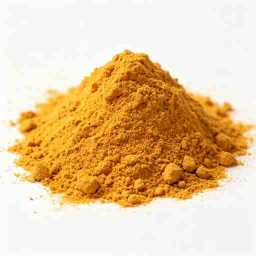
Détails essentiels
Quantité (pièces):10
MOQ:10T
Délai de livraison:15Days
Expédition:transport maritime
numéro de spécification:Silica ZLSIL
Description de l'emballage:Emballage en sac tissé ou en poche à valve
Introduction du produit
Silice précipitée à usage général
Qualité multi-industries pour applications alimentaires, soins bucco-dentaires, pharmaceutiques et cosmétiques | Conçue pour les marchés du Brésil et d'Amérique latine
Élaborée grâce à une technologie avancée de précipitation par voie humide, notre silice hydratée amorphe de haute pureté constitue une matière première véritablement polyvalente et transversale, conçue pour s'aligner à la fois sur les référentiels de qualité mondiaux et sur les cadres réglementaires locaux brésiliens. Contrairement aux produits de silice à application unique, cette qualité universelle offre des performances équilibrées dans quatre secteurs hautement prioritaires — la fabrication alimentaire, les soins bucco-dentaires, les excipients pharmaceutiques et les cosmétiques de soins personnels — tout en soutenant également les applications industrielles et les additifs pour l'alimentation animale comme scénarios complémentaires.
Avec une morphologie de particules ajustable, des propriétés physico-chimiques stables et un contrôle des impuretés de premier plan dans le secteur, elle élimine la nécessité pour les clients de s'approvisionner et de qualifier plusieurs qualités de silice pour différentes lignes de produits. Cette solution unique rationalise considérablement les flux d'approvisionnement, la gestion des stocks et les processus d'inspection qualité, ce qui en fait le matériau de silice multifonctionnel privilégié par les fabricants et les propriétaires de marques au Brésil et dans l'ensemble de la région latino-américaine.
Profil du fabricant
Zhongqi Shandong Silicon Material Co., Ltd. est un fabricant spécialisé et axé sur la technologie de silice précipitée haute performance, basé dans le Shandong, en Chine. En tant qu'entreprise nationale de haute technologie détenant 8 brevets indépendants pour la technologie de production de silice, nous exploitons 6 lignes de production automatisées à grande échelle avec une capacité de production annuelle de plus de 80 000 tonnes, permettant un approvisionnement stable et en grands volumes pour des clients du monde entier.
Notre silice à usage général est fabriquée en stricte conformité avec les normes de gestion GMP, avec un environnement de production entièrement fermé pour les produits de qualité alimentaire et pharmaceutique afin d'éviter toute contamination croisée. Nous mettons en œuvre une gestion de traçabilité sur toute la chaîne couvrant l'approvisionnement en matières premières, le traitement réactionnel, les tests des produits finis, le conditionnement et la logistique de sortie — chaque lot se voit attribuer un code traçable unique, avec des enregistrements complets de production et de tests disponibles pour audit.
Pour accompagner les clients sur le marché brésilien, nous fournissons un ensemble complet de documents techniques et de conformité, notamment la fiche technique (TDS), la fiche de données de sécurité (MSDS), le certificat d'analyse (COA) et les rapports de validation de méthode. Notre équipe technique offre également un soutien ciblé pour l'enregistrement ANVISA et la déclaration de conformité à l'importation, aidant les clients à raccourcir le cycle de lancement des produits et à réduire les risques réglementaires.
Nos produits ont été largement reconnus par des clients en Europe, en Amérique du Nord et en Asie du Sud-Est, et ont été pleinement adaptés aux scénarios d'application et aux exigences réglementaires du marché brésilien. Nous prenons en charge la personnalisation flexible de paramètres clés tels que la taille des particules, la surface spécifique et la valeur d'absorption d'huile, et servons à la fois les multinationales de biens de consommation courante opérant au Brésil et les principales entreprises locales des secteurs alimentaire, des soins bucco-dentaires, pharmaceutique, cosmétique, de l'alimentation animale et industriel.
Spécifications techniques (qualité universelle standard)
Vous trouverez ci-dessous les spécifications standard de notre silice précipitée à usage général. Tous les paramètres peuvent être personnalisés en fonction des applications industrielles spécifiques et des exigences de formulation.
Élément Spécification standard Remarques
Teneur en SiO₂ (base calcinée) ≥ 97,5 % Structure amorphe de haute pureté, exempte de silice cristalline
Perte au feu (1000 °C, 1 h) ≤ 8,0 % Reflète la teneur en eau structurelle et la stabilité thermique
Humidité (à l'emballage, 105 °C, 2 h) 3,0 – 5,5 % Humidité équilibrée pour éviter le mottage et l'électricité statique excessive
pH (suspension aqueuse à 5 %) 6,5 – 7,3 Quasi neutre, excellente compatibilité avec la plupart des systèmes de formulation
Densité apparente 0,20 – 0,28 g/cm³ Ajustable pour s'adapter aux différents procédés d'alimentation et de mélange
Absorption d'huile DBP 80 – 120 cm³/100 g Personnalisable pour les scénarios d'épaississement, d'adsorption et d'anti-mottage
Taille médiane des particules (D50) 10 – 15 μm Personnalisable de 2 μm à 25 μm selon les différents besoins d'application
Surface spécifique BET 100 – 140 m²/g Structure poreuse ajustable pour les fonctions de support et d'adsorption
Blancheur (CIE L*) ≥ 97,5 Blancheur ultra-élevée pour améliorer l'aspect du produit
Valeur RDA (usage bucco-dentaire) 120 – 150 Personnalisable pour différents dentifrices à intensité blanchissante variable
Limites de métaux lourds Arsenic ≤ 1 ppm, Plomb ≤ 2 ppm, Mercure ≤ 0,5 ppm Bien plus strictes que les normes industrielles courantes
Numération aérobie totale ≤ 50 ufc/g Répond aux exigences microbiennes alimentaires, pharmaceutiques et cosmétiques
Matériau de base Silice hydratée précipitée amorphe Chimiquement inerte, non toxique et non irritante
Emballage standard Sac en papier kraft imperméable de qualité export de 10/15/20 kg avec doublure intérieure en PE Emballage personnalisé et étiquetage privé disponibles
Conditions commerciales FOB Qingdao / CIF Santos / CFR Rio de Janeiro / DDP grandes villes brésiliennes Solutions logistiques flexibles pour différents besoins d'importation
Certifications et conformité réglementaire
Toutes nos certifications sont délivrées par des institutions tierces faisant autorité, avec une validité complète et des audits annuels réguliers. Elles constituent un soutien solide pour un dédouanement fluide, l'accès au marché et l'enregistrement réglementaire des importations de silice au Brésil :
Conformité à la monographie USP/NF du dioxyde de silicium : Répond aux normes de la Pharmacopée des États-Unis, applicable aux excipients pharmaceutiques et aux applications de qualité alimentaire, et soutient l'enregistrement des produits pharmaceutiques et alimentaires auprès de l'ANVISA au Brésil.
ISO 22000:2018 Système de management de la sécurité des denrées alimentaires : L'ensemble du processus de production suit les spécifications de management de la sécurité des denrées alimentaires, garantissant une conformité stable des produits de qualité alimentaire.
Certification GMP pour les matières premières cosmétiques et pharmaceutiques : La gestion de la production en atelier répond aux exigences GMP, adaptée à la production de matières premières pharmaceutiques et cosmétiques de haut standard.
ISO 9001:2015 Système de management de la qualité : Certification du système de management de la qualité sur l'ensemble du processus garantissant une qualité de produit constante.
Certification SHC HALAL : Certification halal reconnue internationalement, s'adaptant au vaste marché de consommation halal au Brésil et soutenant la déclaration de produits halal.
Certification OU KOSHER : Certification casher reconnue mondialement, répondant aux besoins de production des aliments et cosmétiques casher.
Approbation FDA pour matériaux en contact avec les aliments : Conforme aux normes de la FDA américaine 21 CFR relatives aux matériaux en contact avec les aliments, largement acceptée comme base de conformité pour les applications en contact avec les aliments au Brésil.
Certification FAMIQS du système qualité des additifs pour l'alimentation animale : Conforme aux spécifications européennes de management de la qualité des additifs pour l'alimentation animale et répond aux exigences d'accès du ministère brésilien de l'Agriculture (MAPA) pour les matières premières destinées à l'alimentation animale.
8 brevets nationaux pour la production de silice précipitée : Droits de propriété intellectuelle indépendants sur la technologie de production garantissant les performances du produit et les avantages des procédés.
Entreprise nationale de haute technologie de Chine : Reconnaissance officielle de la force en R&D et en innovation, avec une capacité d'itération technique continue.
Caractéristiques clés du produit
1. Pureté ultra-élevée avec un contrôle rigoureux des impuretés
Notre silice à usage général atteint une pureté en SiO₂ ≥ 97,5 % sur base calcinée grâce à une sélection affinée des matières premières, un procédé de purification multi-étapes et une production fermée. Les indicateurs de métaux lourds et microbiologiques sont contrôlés à des niveaux bien plus stricts que les normes industrielles internationales, répondant pleinement aux exigences de sécurité les plus élevées des industries alimentaire, pharmaceutique et cosmétique.
L'ensemble du processus de production évite toute contamination croisée, et chaque lot subit des tests complets avant de quitter l'usine, garantissant que le produit est pleinement conforme aux réglementations sanitaires et de sécurité de l'ANVISA et des autres autorités réglementaires brésiliennes, et peut être utilisé en toute sécurité dans des produits finis à fort contact.
2. Excellente inertie chimique et large compatibilité de formulation
En tant que silice hydratée amorphe aux propriétés chimiques stables, le produit reste chimiquement inerte dans des conditions neutres et faiblement acides/faiblement alcalines, et ne réagit pas avec la plupart des principes actifs et des matières premières de base.
Il présente une excellente compatibilité avec les fluorures (fluorure de sodium, monofluorophosphate de sodium) dans les produits de soins bucco-dentaires, les principes actifs pharmaceutiques (API) dans les médicaments, les vitamines et additifs alimentaires dans l'alimentation, ainsi qu'avec les émollients, conservateurs et substances actives dans les cosmétiques. Il n'adsorbe ni n'inactive les composants efficaces, et permet de maintenir des performances de produit stables tout au long de la durée de conservation.
3. Paramètres hautement contrôlables et solutions personnalisées
Nous disposons d'une équipe professionnelle de R&D et technique capable d'ajuster de manière flexible des paramètres clés tels que la distribution de taille des particules, la structure poreuse, la valeur d'absorption d'huile, la densité apparente et la valeur RDA selon les scénarios d'application spécifiques et le positionnement de formulation des clients.
Qu'il s'agisse de dentifrice blanchissant à fort pouvoir abrasif nécessitant un fort pouvoir nettoyant, d'agents anti-mottants alimentaires nécessitant une bonne fluidité, de glissants pharmaceutiques nécessitant une haute sécurité, ou d'agents matifiants cosmétiques nécessitant un excellent toucher cutané, nous pouvons fournir des solutions de silice personnalisées ciblées et accompagner la vérification sur tout le processus, des tests sur petits échantillons à la production de masse.
4. Consistance exceptionnelle d'un lot à l'autre
Nous déployons des systèmes de surveillance en ligne en temps réel des paramètres clés tels que la taille des particules, le pH et la blancheur tout au long du processus de production, et mettons en œuvre un contrôle qualité multi-étapes depuis les matières premières entrantes jusqu'aux produits finis.
L'écart des indicateurs clés entre différents lots est contrôlé dans une plage très étroite, évitant le problème pour les clients de devoir ajuster fréquemment la formulation en raison d'une qualité de produit instable. Cela réduit efficacement les coûts d'ajustement de R&D et de production des fabricants, et soutient une production continue stable à grande échelle.
Avantages exclusifs pour le marché brésilien
1. Solution tout-en-un pour réduire les coûts globaux
Une seule qualité couvre quatre scénarios d'application clés — alimentaire, soins bucco-dentaires, pharmaceutique et cosmétique — et est compatible avec les applications industrielles et auxiliaires pour l'alimentation animale. Pour les clients de groupes multi-activités au Brésil, cela réduit considérablement la charge de travail liée au développement de multiples fournisseurs, à l'inspection qualité de multiples produits et à la gestion de stocks multi-catégories, et réduit efficacement les coûts globaux d'approvisionnement et d'exploitation.
2. Soutien réglementaire complet pour un accès fluide au marché
Nous disposons d'un ensemble complet de certifications internationales faisant autorité, largement reconnues sur le marché brésilien, et pouvons fournir l'ensemble des documents de conformité requis pour l'enregistrement ANVISA et le dépôt MAPA. Nous prenons également en charge la notarisation des documents et la certification consulaire selon les besoins, et fournissons des questions-réponses techniques professionnelles lors du processus d'enregistrement, aidant les clients à mener à bien efficacement la déclaration de conformité des produits et à raccourcir le délai de mise sur le marché.
3. Adaptation ciblée aux scénarios d'application locaux
Les paramètres et performances de nos produits sont profondément optimisés pour le marché brésilien : le segment des soins bucco-dentaires cible les taches courantes telles que le café, le maté et le tabac dans la consommation quotidienne locale ; le segment alimentaire s'adapte aux besoins de transformation des aliments en poudre et des assaisonnements caractéristiques locaux ; le segment cosmétique correspond à la demande locale de produits de contrôle de la brillance et de protection solaire, en forte adéquation avec les besoins réels des clients brésiliens.
4. Dossier technique complet pour soutenir la R&D et la production
Nous fournissons un ensemble complet de documents techniques comprenant TDS, MSDS, COA et rapports de validation de méthode, ainsi que des formules de référence sectorielles et des guides d'application. Notre équipe technique professionnelle peut fournir des conseils à distance pour le débogage de formulations et un soutien à la résolution de problèmes, aidant les clients à réduire la difficulté de R&D et à accélérer la progression du développement de produits.
5. Capacité d'approvisionnement stable en grands volumes
Avec une capacité de production annuelle de plus de 80 000 tonnes et un stock de sécurité permanent des spécifications conventionnelles, nous pouvons répondre de manière stable aux besoins de production de masse continue des grands fabricants brésiliens. Nous prenons en charge les commandes-cadres annuelles et les livraisons échelonnées, et pouvons organiser la planification de la production à l'avance selon les plans de demande des clients afin d'éviter toute interruption d'approvisionnement due aux longs cycles de transport maritime.
6. Solutions logistiques flexibles adaptées au Brésil
Nous prenons en charge diverses conditions commerciales, notamment FOB Qingdao, CIF/CFR Santos/Rio de Janeiro, et DDP livraison porte-à-porte vers les principales villes de l'intérieur telles que São Paulo. Nous avons une riche expérience du dédouanement à l'importation au Brésil, pouvons fournir des documents de dédouanement standardisés et coopérer avec les transitaires désignés par les clients pour fournir des solutions logistiques flexibles et efficaces.
Directives d'application
Principes généraux d'utilisation
1. Ordre d'incorporation : Il est recommandé d'ajouter la poudre de silice lors de l'étape de mélange des poudres sèches. Après un mélange complet et uniforme avec les autres matières premières en poudre, ajouter les composants liquides progressivement afin d'éviter l'agglomération de la poudre due au contact direct avec une grande quantité de liquide.
2. Exigence de dispersion : Assurer un temps de mélange suffisant et une force de cisaillement appropriée selon le système de formulation afin d'obtenir une dispersion uniforme des particules de silice et de tirer pleinement parti des performances du produit.
3. Contrôle environnemental : L'environnement de production et de stockage doit être maintenu sec, et l'humidité relative doit être contrôlée dans une plage raisonnable afin d'éviter l'absorption d'humidité et le mottage du produit.
Dosage recommandé par secteur
Soins bucco-dentaires (abrasifs pour dentifrices) : Le ratio d'ajout recommandé est de 18 % – 25 % dans les formulations de dentifrices blanchissants ; ajuster à la hausse ou à la baisse selon la valeur RDA cible et la performance de nettoyage attendue.
Industrie alimentaire (agent anti-mottant / agent d'écoulement / support) : Le ratio d'ajout conventionnel est de 0,5 % – 5 % ; le dosage spécifique est soumis aux limites des réglementations pertinentes sur les additifs alimentaires au Brésil selon les différentes catégories d'aliments.
Excipients pharmaceutiques (glissant / anti-adhérent) : Le ratio d'ajout conventionnel est de 0,1 % – 3 % dans les préparations solides orales telles que les comprimés et les gélules ; ajuster selon les exigences du procédé de formulation.
Cosmétiques et soins personnels : 2 % – 15 % pour les fonctions d'épaississement, de matité et d'absorption d'huile dans les crèmes, lotions, gommages et produits en poudre ; ajuster selon les exigences spécifiques de texture et d'efficacité.
Instructions de stockage
Conserver dans l'emballage d'origine scellé dans un environnement frais, sec et ventilé, à l'abri de l'humidité et des substances polluantes volatiles.
La durée de conservation est de 24 mois sous emballage d'origine non ouvert et dans les conditions de stockage spécifiées.
Après ouverture, il convient de refermer et de stocker dès que possible, et de l'utiliser dans un délai court afin d'éviter l'absorption d'humidité et la contamination microbienne.
Spectre d'application complet
Secteurs clés principaux
1. Secteur des soins bucco-dentaires et des dentifrices
Cette silice à usage général peut être appliquée à la plupart des formulations de produits de soins bucco-dentaires, avec à la fois des propriétés abrasives de nettoyage et un certain pouvoir épaississant :
Dentifrice blanchissant : Offre une élimination efficace des taches extrinsèques et des effets de polissage de l'émail, ciblant le café, le maté, le tabac et autres taches courantes sur le marché brésilien, avec une valeur RDA dans la plage de sécurité internationale.
Dentifrice quotidien à nettoyage profond : Élimine efficacement la plaque dentaire et polit la surface des dents, adapté aux gammes de dentifrices de soins quotidiens grand public, compatible avec les systèmes de saveurs populaires au Brésil tels que la menthe et les fruits.
Dentifrice transparent : Des spécifications personnalisées avec indice de réfraction adapté sont disponibles pour obtenir une haute transparence de la pâte tout en offrant des effets de nettoyage doux et d'épaississement.
Poudre dentaire et pâte de polissage dentaire professionnelle : Bonne fluidité de la poudre et bonnes performances de polissage, adaptées aux produits de poudre dentaire et aux pâtes de polissage dentaire professionnelles, répondant aux normes de sécurité de l'industrie dentaire.
2. Industrie de la fabrication alimentaire
En tant qu'additif alimentaire légal (E551), il est largement utilisé dans divers scénarios de transformation alimentaire avec une sécurité de qualité alimentaire :
Anti-mottant pour aliments en poudre : Utilisé dans les assaisonnements en poudre, le café instantané, la poudre de maté, le lait en poudre, la crème à café, le sel comestible, le sucre en poudre et autres produits pour prévenir l'absorption d'humidité et le mottage, et améliorer la fluidité de la poudre.
Auxiliaire de transformation pour boissons et bière : Utilisé comme auxiliaire de clarification dans la production de bière et de boissons pour adsorber les impuretés protéiques et polyphénoliques, améliorer la limpidité du produit et prolonger la durée de conservation.
Support pour ingrédients alimentaires : Utilisé comme support d'adsorption pour les arômes liquides, édulcorants, fortifiants nutritionnels et autres ingrédients afin de préparer des produits en poudre, améliorant la stabilité et la commodité d'utilisation des principes actifs.
Matériaux en contact avec les aliments : Conforme aux normes de sécurité des matériaux en contact avec les aliments, et peut être utilisé dans les déshydratants pour emballages alimentaires et autres scénarios de contact indirect.
3. Industrie des excipients pharmaceutiques
Répondant aux normes de la pharmacopée USP/NF, c'est un excipient pharmaceutique à haute sécurité largement utilisé dans les préparations solides orales :
Comprimés et gélules : Utilisé comme glissant et anti-adhérent pour améliorer la fluidité de la poudre, réduire le frottement entre les matériaux et le poinçon de la matrice, améliorer la précision du poids des comprimés et la douceur de la surface, et prévenir le collage lors de la compression.
Poudres et granulés : Utilisé comme agent d'écoulement et support pour améliorer l'uniformité du mélange des principes actifs à l'état de traces et la stabilité des préparations.
Soutient l'enregistrement et le dépôt des produits pharmaceutiques au Brésil, et fournit les données techniques complètes requises pour l'enregistrement des médicaments.
4. Industrie des cosmétiques et des soins personnels
Avec de multiples fonctions telles que l'épaississement, l'ajustement de la rhéologie, la matité, l'absorption d'huile et le flou optique, il convient à une large gamme de produits de soins personnels :
Produits de soin de la peau : Utilisé dans les crèmes, lotions, sérums et gommages pour ajuster la texture du produit, améliorer la stabilité de la formulation, apporter un toucher soyeux, et exfolier en douceur dans les produits gommants.
Produits de maquillage : Utilisé dans les poudres libres, poudres compactes, fonds de teint et bases pour obtenir un effet de flou optique, estomper les pores et les ridules, absorber l'excès de sébum et prolonger la tenue du maquillage.
Produits de protection solaire : Améliore l'étalement des formulations de protection solaire, réduit la sensation de gras et renforce le toucher naturel après application.
Produits de soin capillaire : Utilisé dans les shampooings secs et les produits de soin capillaire anti-sébum pour absorber l'excès de sébum sur le cuir chevelu et créer un effet de cheveux volumineux.
Secteurs complémentaires secondaires
Applications industrielles
En tant que charge fonctionnelle inorganique à usage général, il peut être utilisé dans :
Industrie des revêtements et des encres : utilisé comme agent matifiant, agent anti-sédimentation et améliorateur de résistance aux rayures pour les revêtements à base d'eau et à base de solvant.
Industrie du caoutchouc silicone : utilisé comme charge renforçante pour améliorer les propriétés mécaniques telles que la résistance à la traction et la résistance au déchirement du caoutchouc silicone.
Papier et autres domaines industriels : utilisé comme charge pour papier, adsorbant industriel et support de catalyseur, etc.
Additifs pour l'alimentation animale
Avec la certification FAMIQS, il est conforme aux spécifications brésiliennes de sécurité des aliments pour animaux :
Utilisé comme agent anti-mottant et agent d'écoulement pour les aliments prémélangés, les aliments concentrés et les additifs pour aliments en poudre, afin de prévenir l'absorption d'humidité et le mottage, et d'améliorer l'uniformité du mélange.
Utilisé comme support pour les oligo-éléments, les vitamines et autres additifs nutritionnels afin d'améliorer la stabilité et la dispersibilité des principes actifs.
100 New FAQs with Answers (English Version)
For General-Purpose Precipitated Silica (Core: Food / Oral Care / Pharma / Cosmetics; Secondary: Industrial / Feed), fully expanded for Brazilian market demands, with no overlap with the previous 50 FAQs.
1. Production Process & Quality Control
Q1: What is the difference between your precipitated silica and fumed silica? A: Our product is wet-process precipitated silica produced via sodium silicate acidification. It features wider particle size tunability and better cost performance for large-volume applications. Fumed silica is made via high-temperature hydrolysis with finer primary particles and a higher price, mainly for high-end thickening scenarios. Our general-purpose grade covers most mainstream demands with higher cost efficiency.
Q2: What key quality control points are set during the production process? A: We implement full-process quality control covering raw material inspection, reaction parameter monitoring, online particle size detection, whiteness testing, heavy metal and microbial detection, and final batch inspection. Key parameters such as pH, concentration and reaction time are strictly monitored in real time to ensure product consistency.
Q3: How do you ensure traceability of each batch of products? A: Each batch is assigned a unique batch number, with complete records covering raw material source, production process parameters, testing data, packaging time and outbound logistics. The full chain from raw material to finished product is traceable, and original records can be provided upon request.
Q4: What is the production environment standard for food/pharma grade silica? A: The production workshop for food and pharmaceutical grade products follows GMP management specifications, with closed dust-free production lines, regular environmental microbial testing, and strict personnel access management to avoid cross-contamination.
Q5: Do you use recycled raw materials in production? A: No. All raw materials are virgin-grade sodium silicate and sulfuric acid from qualified suppliers. No recycled or waste raw materials are used, to ensure the stability and safety of high-purity products.
Q6: How do you control the particle size distribution of the product? A: Particle size is precisely controlled by adjusting reaction temperature, material concentration, stirring speed and reaction time during the precipitation process. We also use graded crushing and classification processes to achieve narrow particle size distribution and reduce oversized particles and fine powder.
Q7: What testing equipment is equipped in your QC laboratory? A: Our laboratory is equipped with a laser particle size analyzer, BET surface area tester, whiteness meter, atomic absorption spectrophotometer (for heavy metals), microbial culture system, pH meter and oil absorption tester, covering all routine testing items.
Q8: Is production wastewater treated and discharged in compliance? A: Yes. Production wastewater is treated through neutralization, precipitation, filtration and other processes, and discharged after meeting national environmental protection standards. We hold complete environmental protection qualifications and regular monitoring reports.
Q9: How many production lines do you have for general-purpose silica? A: We have 6 dedicated large-scale production lines for general-purpose precipitated silica, with an annual output of over 80,000 tons, which can stably meet bulk procurement needs of customers in Brazil and Latin America.
Q10: Do you conduct third-party testing for each batch? A: Routine indicators are tested by our internal QC laboratory for each batch. We can also arrange authoritative third-party testing (such as SGS, Intertek) according to customer requirements, with corresponding test reports provided separately.
2. In-depth Technical Parameters & Performance
Q11: How does particle size affect the application performance of silica? A: Larger particle size delivers stronger abrasion and polishing effect, suitable for whitening toothpaste and scrub products; smaller particle size provides better thickening, matting and soft focus effects, suitable for cosmetics and transparent toothpaste. Our general-purpose grade balances multiple effects and can be customized for different demands.
Q12: What is the significance of DBP oil absorption value for applications? A: DBP oil absorption value reflects the liquid adsorption capacity of silica. Higher oil absorption means better thickening and oil control performance, suitable for cosmetics and high-thickness paste; lower oil absorption is more suitable for anti-caking and flow aid scenarios in food and feed.
Q13: How does BET surface area relate to product performance? A: Higher BET surface area means more abundant pore structure and stronger adsorption performance, suitable for carrier, adsorption and thickening scenarios; lower surface area features better stability and fluidity, suitable for abrasive and anti-caking applications.
Q14: Does the product contain crystalline silica? Is there a risk of silicosis? A: Our product is 100% amorphous precipitated silica with no crystalline silica component. Conventional production and use do not pose a silicosis risk. It is recommended to wear dust masks during operation to avoid inhalation of excessive dust.
Q15: What is the pH stability range of the product in formulation systems? A: The product is chemically stable in neutral and weakly acidic/weakly alkaline systems (pH 4–10). Long-term use in strong acid or strong alkali systems is not recommended, to avoid performance degradation.
Q16: Will the product react with active ingredients in the formulation? A: Amorphous precipitated silica has high chemical inertness. Under conventional formulation conditions, it does not react with most active ingredients such as fluoride, vitamins, food additives and pharmaceutical excipients, and has excellent compatibility.
Q17: How does moisture content affect product use? A: Excessive moisture will cause powder agglomeration and poor fluidity, and may breed microorganisms. Our product controls moisture at 3.0–5.5%, which ensures good fluidity and avoids performance change caused by too low moisture and excessive static electricity.
Q18: What is the function of the loss on ignition indicator? A: Loss on ignition reflects the content of structural water and volatile impurities in silica. Our product controls loss on ignition ≤8.0%, which represents high silica purity and stable product structure under high-temperature processing.
Q19: Does the product generate static electricity? How to deal with it? A: Ultra-fine powder may generate slight static electricity during dry mixing. It can be improved by adjusting ambient humidity, adding humectants in advance, or using antistatic feeding equipment, which will not affect normal use.
Q20: What is the high temperature resistance of the product? A: Amorphous silica has excellent high temperature resistance, with its structure remaining stable below 1000℃. It can adapt to most food processing, pharmaceutical tableting and cosmetic production temperature conditions.
3. Regulatory Compliance & Certifications
Q21: Does your USP/NF certification cover all grades of this general-purpose silica? A: Yes, our general-purpose silica is produced in full accordance with USP/NF Silicon Dioxide monograph requirements, and the certification covers all standard specifications of this product line, which can be used for pharmaceutical excipient scenarios.
Q22: Is your HALAL certification recognized by the Brazilian Islamic Council? A: Our SHC HALAL certification is an internationally recognized halal certification, widely accepted in the Brazilian market, and can support halal declaration of food, cosmetics and other products in Brazil.
Q23: Does the product comply with ANVISA's requirements for cosmetic raw materials? A: Yes. The product complies with ANVISA's technical specifications for cosmetic raw materials, with heavy metals, microorganisms and other indicators meeting limit requirements, and can be used for cosmetic production and registration in Brazil.
Q24: What is the number of your ISO 22000 certification? Is it valid? A: Our ISO 22000:2018 certification is issued by an authoritative third-party organization, with valid status and regular annual audits. The certificate number and full electronic version can be provided upon customer request.
Q25: Does the product meet ANVISA requirements for food additives in Brazil? A: Yes. As a food anti-caking agent and processing aid, the product's indicators fully comply with relevant food additive safety standards under ANVISA's jurisdiction, supporting local food product registration.
Q26: Is your FDA food contact approval applicable to all food contact scenarios in Brazil? A: Our FDA food contact material certification complies with 21 CFR standards, which is widely recognized in the Brazilian market and can be used as supporting materials for food contact product declaration.
Q27: Do you have REACH registration for EU export? Is it valid for Brazil? A: We have completed REACH registration for silica products. Although Brazil does not mandate REACH, complete REACH documents can be provided as supplementary compliance materials to prove product safety.
Q28: Can you provide a free sale certificate for export to Brazil? A: Yes, we can provide an official Free Sale Certificate issued by the competent authority, together with notarization and consular certification as required, to support Brazilian import customs clearance and market access.
Q29: Does the feed grade application comply with MAPA (Brazilian Ministry of Agriculture) standards? A: Our feed grade silica holds FAMIQS certification, with indicators meeting international feed additive safety specifications, and can support registration and filing procedures of feed raw materials under MAPA.
Q30: Will your certifications expire? How do you ensure continuous validity? A: All certifications are within the validity period, and we arrange annual audits and renewal work in advance to ensure all certifications remain valid during customer cooperation and product import.
4. Oral Care & Toothpaste Deep Applications
Q31: Can this general-purpose silica be used in transparent toothpaste formulations? A: The standard general-purpose grade is mainly used for white and opaque toothpaste. For transparent toothpaste, we can provide customized low-abrasion thickening silica with matching refractive index to achieve a transparent paste effect.
Q32: How does your silica perform in removing coffee and mate stains common in Brazil? A: With optimized particle morphology and an RDA value of 120–150, the product effectively removes extrinsic stains caused by coffee, mate and tobacco through physical polishing, which is highly targeted to the daily consumption habits of Brazilian consumers.
Q33: Can this silica be used in children's toothpaste formulations? A: For children's toothpaste, we recommend adjusting the addition ratio or blending with low-abrasion silica to reduce the RDA value to a milder range, to adapt to the softer deciduous enamel of children.
Q34: What is the difference between your silica and calcium carbonate abrasive for toothpaste? A: Compared with calcium carbonate, precipitated silica has more controllable abrasion, higher whiteness and better fluoride compatibility, and will not react with fluoride to reduce its efficacy. It is the preferred abrasive for medium and high-end whitening toothpaste.
Q35: Will silica affect the flavor release of toothpaste? A: The product has stable chemical properties and will not adsorb or react with essence components under normal addition ratio, with little impact on flavor release. The adsorption effect can be adjusted by changing the oil absorption value as needed.
Q36: Can this product be used in mouthwash formulations? A: Precipitated silica is mainly used in paste toothpaste. For mouthwash, it is prone to precipitation and delamination due to its powder property, so direct use in transparent mouthwash systems is not recommended.
Q37: How is the RDA value tested? Do you provide RDA test reports? A: RDA value is tested via the in vitro dentin abrasion method referring to international standard ISO 11609. We can provide corresponding RDA test reports for each specification to support customer formula verification.
Q38: Can this silica be used in tooth powder products? A: Yes. It has good fluidity and polishing performance, and can be directly used in tooth powder formulations as the main abrasive and cleaning component, with good powder dispersibility.
Q39: Does the product affect the viscosity of toothpaste paste? A: General-purpose abrasive silica has a certain thickening effect. When adjusting the addition amount, the change of paste viscosity should be considered. It can be used together with thickening silica to adjust the rheological properties of the paste.
Q40: Can your silica be used with activated charcoal whitening ingredients? A: Yes. It has good compatibility with activated charcoal, and can be compounded in charcoal whitening toothpaste to improve cleaning and polishing effects at the same time.
Q41: What is the recommended maximum addition ratio in toothpaste? A: The maximum recommended addition ratio is 28%. Excessive addition may lead to overly high paste viscosity and poor mouthfeel. The specific ratio should be adjusted according to the formula system and target RDA.
Q42: Will silica cause tooth sensitivity after long-term use? A: Our product's RDA value is within the international safe range. Under normal brushing habits, it will not cause enamel damage or tooth sensitivity. It is recommended to use it with correct brushing methods.
5. Food Industry Deep Applications
Q43: What food additive number does this product correspond to? A: It corresponds to the international food additive code E551 (Silicon Dioxide), which is widely recognized in Brazil and global markets as a legal food anti-caking agent and processing aid.
Q44: What is the maximum permitted level of E551 in food in Brazil? A: According to ANVISA regulations, the maximum addition limit of silicon dioxide (E551) varies by food category, generally between 0.5% and 2% for most powdered foods. Please confirm according to specific product categories.
Q45: Can this product be used in powdered beverages such as Brazilian acai powder and guarana powder? A: Yes. It can be used as an anti-caking agent in various powdered foods including acai powder, guarana powder and instant coffee powder, effectively improving powder fluidity and preventing caking during storage.
Q46: Can it be used in salt and sugar products? A: Yes. It is widely used in edible salt, powdered sugar and other seasoning products to prevent caking caused by moisture absorption, with a typical dosage of 0.5%–1.5%.
Q47: Can silica be used as a clarifying agent in beer and beverage production? A: Yes. It can be used as a processing aid for beer clarification to adsorb protein and polyphenols, improve beer clarity and extend shelf life, and will be removed by filtration without remaining in the final product.
Q48: Is the product soluble in water? Will it affect the taste of food? A: Amorphous silica is insoluble in water and has no taste. Adding it according to the standard dosage will not affect the taste, flavor and color of food, and will not produce a gritty feeling in powdered food.
Q49: Can it be used in food-grade desiccant packages? A: Yes. With good moisture absorption performance, it can be used as a desiccant component in food packaging, and its food-grade safety meets the requirements of indirect food contact scenarios.
Q50: Can this product be used in pet food production? A: Yes. As a food-grade anti-caking agent and flow aid, it can be used in pet food and pet nutritional supplements to improve powder processing performance and storage stability.
Q51: Will silica be absorbed by the human body? Is it safe for long-term consumption? A: Food-grade amorphous silica will not be absorbed by the human digestive system and will be excreted completely. It is recognized as a safe food additive by global authorities including ANVISA and FDA, and can be used long-term within the specified dosage.
Q52: Can it be used as a carrier for food spices and sweeteners? A: Yes. With good adsorption performance, it can load liquid spices, sweeteners and other ingredients to make powdered products, improving the stability and fluidity of active ingredients.
6. Pharmaceutical Excipient Deep Applications
Q53: What grade of pharmaceutical excipients does your product belong to? A: Our product meets USP/NF pharmaceutical excipient grade standards, belonging to the category of silicon dioxide glidant, which can be used for oral solid preparations such as tablets, capsules and granules.
Q54: Can this product be used for injection preparations? A: The general-purpose grade is only suitable for oral pharmaceutical preparations. For injection-grade silica, we have special high-purity injection grade products, which can be provided separately according to customer needs.
Q55: Does the product meet the microbial limit requirements for pharmaceutical excipients? A: Yes. The total aerobic plate count is ≤50 cfu/g, with control indicators for Escherichia coli, Salmonella and other pathogenic bacteria, which meet the microbial limit standards for oral pharmaceutical excipients.
Q56: What role does silica play in tablet production? A: In tablet production, it is mainly used as a glidant to improve the fluidity of powder and granules, reduce friction between particles and the die wall, improve tablet weight accuracy and surface smoothness, and prevent sticking.
Q57: Will silica affect the dissolution rate of drugs? A: Within the conventional addition range (0.1%–3%), it will not affect the dissolution rate of active pharmaceutical ingredients. On the contrary, it can improve powder dispersion and support uniform release of drugs.
Q58: Can you provide DMF (Drug Master File) documents for pharmaceutical registration? A: We can provide a complete pharmaceutical grade technical data package including quality standards, validation reports and stability test data to support customers in drug registration and DMF filing.
Q59: Is the product compatible with common pharmaceutical excipients? A: Yes. It has good compatibility with common excipients such as lactose, microcrystalline cellulose, starch and magnesium stearate, and can be widely used in various solid preparation formulas.
Q60: What is the shelf life of the product when used in pharmaceutical preparations? A: When stored under specified conditions, the raw material shelf life is 24 months. In finished pharmaceutical preparations, its performance remains stable, matching the conventional 2–3 year shelf life of oral preparations.
7. Cosmetics & Personal Care Deep Applications
Q61: What role does silica play in cream and lotion skincare products? A: In creams and lotions, it mainly acts as a rheology modifier and thickener, improving product stability, preventing delamination, and bringing a silky, non-greasy skin feel.
Q62: Can this product be used in facial scrub products? Is it mild enough? A: Yes. The amorphous spherical-like particles have smooth edges and moderate hardness, which can gently exfoliate dead skin without scratching the skin, and is milder than hard abrasives such as walnut shell.
Q63: Can silica be used in sunscreen products? A: Yes. It can improve the spreadability of sunscreen products, reduce the greasy feeling of sunscreen agents, and has a certain soft focus effect to enhance the natural skin feeling after application.
Q64: What is the soft focus effect of silica? How does it work? A: Fine silica particles can diffuse light through optical refraction, visually blur fine lines and pores, and achieve a natural soft focus and skin beautifying effect, which is widely used in makeup primer and foundation products.
Q65: Can this product be used in shampoo and hair care products? A: Yes. It can be added to shampoo as an oil control component to absorb excess oil on the scalp, and can also be used in dry shampoo to achieve oil absorption and fluffy hair effect.
Q66: Does the product have comedogenic risk? A: No. Amorphous silica is non-comedogenic and non-acnegenic, with high safety, and can be safely used in facial skincare and makeup products for oily and acne-prone skin.
Q67: Can it be used in lip balm and lipstick products? A: Yes. It can adjust the texture of lipstick products, improve the matte effect, enhance color adhesion, and will not irritate lip skin within the standard dosage.
Q68: How to add silica to cosmetic emulsion systems to avoid agglomeration? A: It is recommended to pre-disperse silica in the oil phase evenly first, then emulsify with the water phase, or use a high-speed homogenizer for dispersion, which can effectively avoid powder agglomeration.
Q69: Can this product be used in aerosol personal care products? A: Yes. It has stable performance and can be used in aerosol products such as dry shampoo and body spray as an oil absorption and anti-caking component.
Q70: Does silica have oil absorption effect? How long does it last? A: Yes, it has excellent pore oil absorption performance, which can quickly absorb excess skin surface oil and maintain a matte skin feeling for a long time. It is a common raw material for oil control makeup and skincare products.
8. Industrial & Feed Supplementary Applications
Q71: What role does silica play in water-based coatings? A: In water-based coatings, it is mainly used as a matting agent to reduce the gloss of the coating film, and can also improve the scratch resistance and wear resistance of the coating surface.
Q72: Can this product be used in silicone rubber products? A: Yes. It can be used as a reinforcing filler for silicone rubber to improve the tensile strength, tear resistance and hardness of silicone rubber products, and is a common reinforcing raw material for silicone rubber.
Q73: Can it be used as an adsorbent for industrial wastewater treatment? A: It can be used as an auxiliary adsorbent for the treatment of some industrial wastewater to adsorb oil and organic impurities, but for professional wastewater treatment scenarios, we recommend special adsorption grade silica.
Q74: What role does silica play in feed premixes? A: In feed premixes, it is mainly used as an anti-caking agent and flow aid to prevent caking of trace elements and vitamin premixes caused by moisture absorption, and improve mixing uniformity.
Q75: Can it be used in aquafeed production? A: Yes. It meets feed safety standards and can be used as an anti-caking agent and processing aid in aquafeed and aquatic product premixes.
Q76: Does feed grade silica have nutritional value for animals? A: Silica is mainly used as a processing aid in feed, with no nutritional value, and will not be absorbed by animals, but excreted with feces. It is safe for animal growth.
Q77: Can it be used in pesticide formulations? A: Yes. It can be used as a carrier and anti-caking agent for wettable powder pesticides, improving powder fluidity and suspension performance, and is suitable for industrial agricultural input scenarios.
Q78: What role does it play in printing ink? A: In printing ink, it can adjust ink viscosity, improve thixotropy, prevent pigment precipitation, and improve the stability and printing effect of ink products.
9. Samples, Testing & Technical Support
Q79: Can you provide free samples for testing? A: Yes. We can provide free samples of 500g–1kg for customer testing and formula development. Customers only need to bear the international courier fee, or provide their own courier account for delivery.
Q80: How long is the sample delivery time to Brazil? A: For stock samples, they can be shipped within 3 working days. By international express such as DHL/FedEx, it usually takes about 7–12 working days to arrive at major cities in Brazil.
Q81: Can you provide technical guidance for formula development? A: Yes. We have a professional technical service team that can provide formula reference suggestions, parameter adjustment guidance and problem-solving solutions according to customers' specific product requirements.
Q82: If the product test result does not match the COA, what will you do? A: We promise that all delivered products are 100% inspected before delivery. If there is any inconsistency with the COA indicators confirmed by both parties, we will provide free replacement or refund according to the actual situation.
Q83: Can you arrange third-party testing at the destination port for Brazilian customers? A: Yes. We can cooperate with customers to arrange third-party testing institutions such as SGS to conduct sampling inspection at the destination port, and the cost can be negotiated according to the specific situation.
Q84: Do you provide on-site technical support in Brazil? A: At present, we mainly provide remote technical support including video guidance and document support. For large-scale long-term cooperative customers, we can arrange on-site technical exchange as appropriate.
Q85: Can you help with compatibility testing of our formula raw materials? A: Yes. Customers can provide other raw material information, and our technical team can conduct compatibility analysis and give application suggestions, or conduct targeted small sample tests according to needs.
Q86: Do you have standard formula references for different industries? A: Yes. We have accumulated a large number of reference formulas for toothpaste, food, cosmetics and other industries, which can be provided to customers as a reference for formula development.
10. Packaging, Logistics & Brazil Customs Clearance
Q87: Is the packaging suitable for long-distance sea transportation to Brazil? A: The standard packaging is export-grade waterproof kraft paper bags with polyethylene inner bags, which has good moisture-proof and pressure-resistant performance, and is fully suitable for 30–45 days of long-distance sea transportation to Brazil.
Q88: What is the loading quantity of a 20ft container and a 40ft container? A: For standard 10kg packaging, a 20ft container can load about 16–18 tons, and a 40ft HQ container can load about 22–25 tons. The specific loading quantity varies slightly according to packaging specifications and bulk density.
Q89: How long is the sea transportation time from Qingdao Port to Santos Port, Brazil? A: The direct shipping time from Qingdao to Santos is about 30–35 days, and the total time including customs clearance at both ends is about 40–50 days.
Q90: Can you handle DDP delivery to inland cities in Brazil such as São Paulo? A: Yes. We support DDP trade terms, which can deliver goods to designated inland cities in Brazil, including customs clearance, tax payment and local distribution services.
Q91: What documents do you provide for Brazilian customs clearance? A: We provide a full set of customs clearance documents including commercial invoice, packing list, bill of lading, certificate of origin, COA, MSDS, certification documents and free sale certificate as required.
Q92: Can you provide the Brazilian import tariff code for this product? A: The corresponding HS code for this product is 28112200. The specific import tariff rate in Brazil can be inquired according to the local customs code, and we can assist in providing product attribute certificates.
Q93: How do you avoid cargo damage during transportation? A: We use standard pallet packaging with stretch film winding, and the container is loaded and reinforced according to export standards to avoid package damage and moisture caused by collision during transportation.
Q94: Can you provide door-to-door express service for small batch orders? A: Yes. For small batch trial orders below 50kg, we can arrange international air express door-to-door service, which is fast and convenient for customers' initial testing and small batch trial production.
11. Customization, Supply Capacity & Lead Time
Q95: What parameters can be customized for this general-purpose silica? A: We support customization of particle size (D50), BET surface area, DBP oil absorption, bulk density, RDA value and other parameters, and can develop targeted products according to customers' application requirements.
Q96: What is the minimum order quantity for customized products? A: The minimum order quantity for customized specifications is usually one 20ft container. For special parameter customization, the specific MOQ can be negotiated according to technical difficulty.
Q97: What is the production lead time for customized orders? A: For conventional parameter adjustment, the production lead time is about 15–20 working days; for special specification development, the cycle is about 30–45 working days, subject to the specific scheme.
Q98: What is your monthly production capacity? Can it support large annual orders? A: Our monthly production capacity of general-purpose silica exceeds 6,000 tons, which can stably support large-scale annual procurement orders of multinational customers and large Brazilian manufacturers.
Q99: Can you arrange split shipments for large orders? A: Yes. We can arrange split shipments in batches according to customers' production schedule and inventory plan, and deliver goods on time according to the agreed batch and quantity.
Q100: Do you have stock for conventional specifications? A: Yes. We maintain a certain amount of safety stock for standard general-purpose specifications year-round, and can arrange delivery within 3–5 working days for spot orders to meet customers' urgent demand.