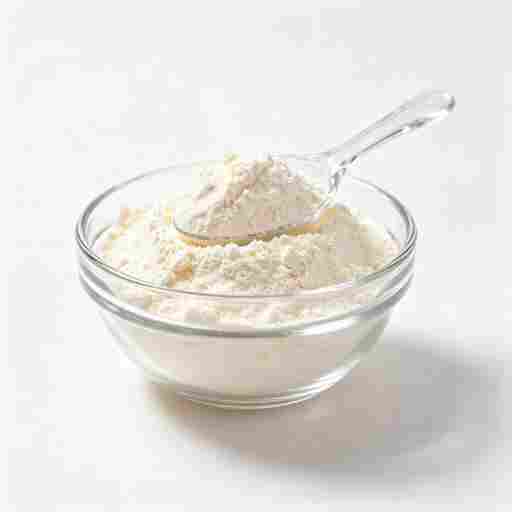
اہم تفصیلات
مقدار (پیسے):10
کم سے کم مقدار:10T
تسلیم کا وقت:15Days
شپنگ کا طریقہ:سمندری نقل و حمل
مخصوصات نمبر:Silica ZLSIL
پیکیجنگ کی تفصیلات:بنے ہوئے تھیلے یا والو پاکٹ پیکیجنگ
مصنوعات کی تفصیلات
General-Purpose Precipitated Silica
Multi-Industry Grade for Food, Oral Care, Pharmaceutical & Cosmetic Applications | Engineered for Brazil & Latin America Markets
Crafted through advanced wet precipitation technology, our high-purity amorphous hydrated silica stands as a truly versatile, cross-industry raw material built to align with both global quality benchmarks and Brazilian local regulatory frameworks. Unlike single-application silica products, this universal grade delivers balanced performance across four high-priority sectors — food manufacturing, oral care, pharmaceutical excipients, and personal care cosmetics — while also supporting industrial and feed additive use as supplementary scenarios.
With tunable particle morphology, stable physicochemical properties, and industry-leading impurity control, it eliminates the need for customers to source and qualify multiple silica grades for different product lines. This one-stop solution significantly streamlines procurement, inventory management and quality inspection workflows, making it the preferred multifunctional silica material for manufacturers and brand owners across Brazil and the wider Latin American region.
Manufacturer Profile
Zhongqi Shandong Silicon Material Co., Ltd. is a specialized, technology-driven manufacturer of high-performance precipitated silica based in Shandong, China. As a national high-tech enterprise holding 8 independent patents for silica production technology, we operate 6 large-scale automated production lines with an annual output capacity of over 80,000 tons, enabling stable, large-volume supply for clients worldwide.
Our general-purpose silica is manufactured in strict accordance with GMP management standards, with a fully closed production environment for food and pharmaceutical grade products to avoid cross-contamination. We implement full-chain traceability management covering raw material procurement, reaction processing, finished product testing, packaging and outbound logistics — every batch is assigned a unique traceable code, with complete production and testing records available for audit.
To support clients in the Brazilian market, we provide a comprehensive set of technical and compliance documents, including Technical Data Sheet (TDS), Material Safety Data Sheet (MSDS), Certificate of Analysis (COA) and method validation reports. Our technical team also offers targeted support for ANVISA registration and import compliance declaration, helping customers shorten the product launch cycle and reduce regulatory risks.
Our products have been widely recognized by clients in Europe, North America and Southeast Asia, and have been fully adapted to the application scenarios and regulatory requirements of the Brazilian market. We support flexible customization of core parameters such as particle size, specific surface area and oil absorption value, and serve both multinational FMCG corporations operating in Brazil and leading local enterprises in food, oral care, pharmaceutical, cosmetic, feed and industrial sectors.
Technical Specifications (Standard Universal Grade)
Below are the standard specifications of our general-purpose precipitated silica. All parameters can be customized based on specific industry applications and formula requirements.
Item Standard Specification Notes
SiO₂ Content (Ignited Basis) ≥ 97.5% High-purity amorphous structure, free of crystalline silica
Loss on Ignition (1000℃, 1h) ≤ 8.0% Reflects structural water content and thermal stability
Moisture (As Packed, 105℃, 2h) 3.0 – 5.5% Balanced moisture to avoid caking and excessive static electricity
pH (5% Aqueous Suspension) 6.5 – 7.3 Near-neutral, excellent compatibility with most formulation systems
Bulk Density 0.20 – 0.28 g/cm³ Adjustable to match different feeding and mixing processes
DBP Oil Absorption 80 – 120 cm³/100g Customizable for thickening, adsorption and anti-caking scenarios
Median Particle Size (D50) 10 – 15 μm Customizable from 2μm to 25μm for different application needs
BET Surface Area 100 – 140 m²/g Tunable pore structure for carrier and adsorption functions
Whiteness (CIE L*) ≥ 97.5 Ultra-high whiteness to enhance product appearance
RDA Value (Oral Care Use) 120 – 150 Customizable for different whitening intensity toothpastes
Heavy Metal Limits Arsenic ≤1ppm, Lead ≤2ppm, Mercury ≤0.5ppm Far stricter than mainstream industry standards
Total Aerobic Plate Count ≤ 50 cfu/g Meets food, pharmaceutical and cosmetic microbial requirements
Core Material Amorphous precipitated hydrated silica Chemically inert, non-toxic and non-irritating
Standard Packaging 10/15/20kg export-grade waterproof kraft paper bag with PE inner liner Custom packaging and private labeling available
Trade Terms FOB Qingdao / CIF Santos / CFR Rio de Janeiro / DDP major Brazilian cities Flexible logistics solutions for different import needs
Certifications & Regulatory Compliance
All our certifications are issued by authoritative third-party institutions, with full validity and regular annual audits. They provide solid support for smooth customs clearance, market access and regulatory registration for silica imports into Brazil:
USP/NF Silicon Dioxide Monograph Compliance: Meets United States Pharmacopeia standards, applicable to pharmaceutical excipients and food-grade applications, and supports ANVISA pharmaceutical and food product registration in Brazil.
ISO 22000:2018 Food Safety Management System: The entire production process follows food safety management specifications, ensuring stable compliance of food-grade products.
GMP Certification for Cosmetic & Pharmaceutical Raw Materials: Workshop production management meets GMP requirements, suitable for high-standard pharmaceutical and cosmetic raw material production.
ISO 9001:2015 Quality Management System: Full-process quality management system certification guarantees consistent product quality.
SHC HALAL Certification: Internationally recognized halal certification, adapting to the large halal consumer market in Brazil and supporting halal product declaration.
OU KOSHER Certification: Kosher certification recognized globally, meeting the production needs of kosher food and cosmetics.
FDA Food Contact Material Approval: Complies with US FDA 21 CFR food contact material standards, widely accepted as a compliance basis for food contact applications in Brazil.
FAMIQS Feed Additive Quality System Certification: Complies with EU feed additive quality management specifications and meets the access requirements of Brazilian Ministry of Agriculture (MAPA) for feed raw materials.
8 National Patents for Precipitated Silica Production: Independent intellectual property rights in production technology ensure product performance and process advantages.
National High-Tech Enterprise of China: Official recognition of R&D and innovation strength, with continuous technical iteration capability.
Core Product Features
1. Ultra-High Purity with Rigorous Impurity Control
Our general-purpose silica achieves SiO₂ purity of ≥97.5% on an ignited basis through refined raw material screening, multi-stage purification process and closed production. Heavy metal and microbial indicators are controlled at levels far stricter than international industry standards, fully meeting the highest safety requirements of food, pharmaceutical and cosmetic industries.
The entire production process avoids cross-contamination, and each batch undergoes full-item testing before leaving the factory, ensuring that the product fully complies with the health and safety regulations of ANVISA and other Brazilian regulatory authorities, and can be safely used in high-contact end products.
2. Excellent Chemical Inertness & Wide Formulation Compatibility
As an amorphous hydrated silica with stable chemical properties, the product remains chemically inert under neutral and weakly acidic/weakly alkaline conditions, and does not react with most active ingredients and base raw materials.
It has excellent compatibility with fluorides (sodium fluoride, sodium monofluorophosphate) in oral care products, active pharmaceutical ingredients (APIs) in pharmaceuticals, vitamins and food additives in food, as well as emollients, preservatives and active substances in cosmetics. It will not adsorb or inactivate effective components, and can maintain stable product performance throughout the entire shelf life.
3. Highly Controllable Parameters & Customized Solutions
We have a professional R&D and technical team that can flexibly adjust core parameters such as particle size distribution, pore structure, oil absorption value, bulk density and RDA value according to customers' specific application scenarios and formula positioning.
Whether it is high-abrasion whitening toothpaste requiring strong cleaning power, food anti-caking agents requiring good fluidity, pharmaceutical glidants requiring high safety, or cosmetic matting agents requiring excellent skin feel, we can provide targeted customized silica solutions and support full-process verification from small sample testing to mass production.
4. Outstanding Batch-to-Batch Consistency
We deploy real-time online monitoring systems for key parameters such as particle size, pH and whiteness throughout the production process, and implement multi-stage quality control from incoming raw materials to finished products.
The deviation of core indicators between different batches is controlled within a very narrow range, avoiding the problem that customers need to frequently adjust the formula due to unstable product quality. It effectively reduces the R&D and production adjustment costs of manufacturers, and supports stable large-scale continuous production.
Exclusive Advantages for the Brazilian Market
1. All-in-One Solution to Reduce Comprehensive Costs
One grade covers four core application scenarios of food, oral care, pharmaceutical and cosmetics, and is compatible with industrial and feed auxiliary applications. For multi-business group customers in Brazil, it greatly reduces the workload of multi-supplier development, multi-product quality inspection and multi-category inventory management, and effectively reduces the overall procurement and operation costs.
2. Full Regulatory Support for Smooth Market Access
We have a complete set of international authoritative certifications that are widely recognized in the Brazilian market, and can provide a full set of compliance documents required for ANVISA registration and MAPA filing. We also support document notarization and consular certification as required, and provide professional technical Q&A in the registration process, helping customers efficiently complete product compliance declaration and shorten the time to market.
3. Targeted Adaptation to Local Application Scenarios
Our product parameters and performance are deeply optimized for the Brazilian market: the oral care direction targets common stains such as coffee, mate tea and tobacco in local daily consumption; the food direction adapts to the processing needs of local characteristic powdered foods and seasonings; the cosmetic direction matches the local demand for oil control and sunscreen products, which is highly matched with the actual needs of Brazilian customers.
4. Complete Technical Package to Support R&D and Production
We provide a complete set of technical documents including TDS, MSDS, COA and method validation reports, as well as industry reference formulas and application guidelines. Our professional technical team can provide remote formula debugging guidance and problem solving support, helping customers reduce R&D difficulty and speed up product development progress.
5. Stable Large-Volume Supply Capacity
With an annual production capacity of over 80,000 tons and a permanent safety stock of conventional specifications, we can stably meet the continuous mass production needs of large Brazilian manufacturers. We support annual framework orders and phased delivery, and can arrange production scheduling in advance according to customers' demand plans to avoid supply interruption caused by long sea transportation cycles.
6. Flexible Logistics Solutions Tailored to Brazil
We support a variety of trade terms including FOB Qingdao, CIF/CFR Santos/Rio de Janeiro, and DDP door-to-door delivery to major inland cities such as São Paulo. We have rich experience in Brazil's import customs clearance, can provide standardized customs clearance documents, and cooperate with customers' designated freight forwarders to provide flexible and efficient logistics solutions.
Application Guidelines
General Operation Principles
1.Feeding Sequence: It is recommended to add silica powder in the dry powder mixing stage. After fully and uniformly mixing with other powder base materials, add liquid components step by step to avoid powder agglomeration caused by direct contact with a large amount of liquid.
2.Dispersion Requirement: Ensure sufficient mixing time and appropriate shear strength according to the formula system to achieve uniform dispersion of silica particles and give full play to product performance.
3.Environmental Control: The production and storage environment should be kept dry, and the relative humidity should be controlled within a reasonable range to avoid product moisture absorption and caking.
Recommended Dosage by Industry
Oral care (toothpaste abrasives): Recommended addition ratio is 18% – 25% in whitening toothpaste formulas; adjust up or down according to target RDA value and expected cleaning performance.
Food industry (anti-caking agent / flow aid / carrier): Conventional addition ratio is 0.5% – 5%; specific dosage shall be subject to the limits of relevant food additive regulations in Brazil according to different food categories.
Pharmaceutical excipients (glidant / anti-adherent): Conventional addition ratio is 0.1% – 3% in oral solid preparations such as tablets and capsules; adjust according to formula process requirements.
Cosmetics & personal care: 2% – 15% for thickening, matting and oil absorption functions in creams, lotions, scrubs and powder products; adjust according to specific texture and efficacy requirements.
Storage Instructions
Store in original sealed packaging in a cool, dry and ventilated environment, away from moisture and volatile polluting substances.
The shelf life is 24 months under unopened original packaging and specified storage conditions.
After opening, it should be sealed and stored as soon as possible, and used up in a short time to avoid moisture absorption and microbial contamination.
Full Application Spectrum
Primary Core Sectors
1. Oral Care & Toothpaste Industry
This general-purpose silica can be applied to most oral care product formulations, with both abrasive cleaning and certain thickening properties:
Whitening toothpaste: Delivers efficient extrinsic stain removal and enamel polishing effects, targeting coffee, mate tea, tobacco and other common stains in the Brazilian market, with RDA value within the international safe range.
Daily deep-cleaning toothpaste: Effectively removes dental plaque and polishes tooth surface, suitable for mainstream daily care toothpaste lines, compatible with mint, fruit and other popular flavor systems in Brazil.
Transparent toothpaste: Customized specifications with matching refractive index are available to achieve high transparency of the paste while providing mild cleaning and thickening effects.
Tooth powder & professional dental polishing paste: Good powder fluidity and polishing performance, suitable for tooth powder products and professional dental polishing pastes, meeting dental industry safety standards.
2. Food Manufacturing Industry
As a legal food additive (E551), it is widely used in various food processing scenarios with food-grade safety:
Powdered food anti-caking: Used in powdered seasonings, instant coffee, mate tea powder, milk powder, creamer, edible salt, powdered sugar and other products to prevent moisture absorption and caking, and improve powder fluidity.
Processing aid for beverage & beer: Used as a clarifying aid in beer and beverage production to adsorb protein and polyphenol impurities, improve product clarity and extend shelf life.
Carrier for food ingredients: Used as an adsorption carrier for liquid flavors, sweeteners, nutritional fortifiers and other ingredients to prepare powdered products, improving the stability and convenience of use of active ingredients.
Food contact materials: Complies with food contact material safety standards, and can be used in food packaging desiccants and other indirect contact scenarios.
3. Pharmaceutical Excipients Industry
Meeting USP/NF pharmacopeia standards, it is a high-safety pharmaceutical excipient widely used in oral solid preparations:
Tablets & capsules: Used as glidant and anti-adherent to improve powder fluidity, reduce the friction between materials and punch die, improve tablet weight accuracy and surface smoothness, and prevent sticking during tableting.
Powders & granules: Used as flow aid and carrier to improve the uniformity of mixing of trace active ingredients and the stability of preparations.
Supports the registration and filing of pharmaceutical products in Brazil, and provides complete technical data required for drug registration.
4. Cosmetics & Personal Care Industry
With multiple functions such as thickening, rheology adjustment, matting, oil absorption and soft focus, it is suitable for a wide range of personal care products:
Skincare products: Used in creams, lotions, serums and scrubs to adjust product texture, improve formulation stability, bring silky skin feel, and gently exfoliate in scrub products.
Makeup products: Used in loose powder, pressed powder, foundation and primer to achieve soft focus effect, blur pores and fine lines, absorb excess oil, and extend makeup staying time.
Sunscreen products: Improves the spreadability of sunscreen formulations, reduces greasy feeling, and enhances the natural skin feel after application.
Hair care products: Used in dry shampoo and oil-control hair care products to absorb excess oil on the scalp and create fluffy hair effect.
Secondary Supplementary Sectors
Industrial Applications
As a general-purpose inorganic functional filler, it can be used in:
Coating and ink industry: used as matting agent, anti-settling agent and scratch resistance improver for water-based and solvent-based coatings.
Silicone rubber industry: used as reinforcing filler to improve the mechanical properties such as tensile strength and tear resistance of silicone rubber.
Paper and other industrial fields: used as paper filler, industrial adsorbent and catalyst carrier, etc.
Feed Additives
With FAMIQS certification, it complies with Brazilian feed safety specifications:
Used as anti-caking agent and flow aid for premixed feed, concentrated feed and powdered feed additives to prevent moisture absorption and caking, and improve mixing uniformity.
Used as a carrier for trace elements, vitamins and other nutritional additives to improve the stability and dispersibility of active ingredients.
100 New FAQs with Answers (English Version)
For General-Purpose Precipitated Silica (Core: Food / Oral Care / Pharma / Cosmetics; Secondary: Industrial / Feed), fully expanded for Brazilian market demands, with no overlap with the previous 50 FAQs.
1. Production Process & Quality Control
Q1: What is the difference between your precipitated silica and fumed silica? A: Our product is wet-process precipitated silica produced via sodium silicate acidification. It features wider particle size tunability and better cost performance for large-volume applications. Fumed silica is made via high-temperature hydrolysis with finer primary particles and a higher price, mainly for high-end thickening scenarios. Our general-purpose grade covers most mainstream demands with higher cost efficiency.
Q2: What key quality control points are set during the production process? A: We implement full-process quality control covering raw material inspection, reaction parameter monitoring, online particle size detection, whiteness testing, heavy metal and microbial detection, and final batch inspection. Key parameters such as pH, concentration and reaction time are strictly monitored in real time to ensure product consistency.
Q3: How do you ensure traceability of each batch of products? A: Each batch is assigned a unique batch number, with complete records covering raw material source, production process parameters, testing data, packaging time and outbound logistics. The full chain from raw material to finished product is traceable, and original records can be provided upon request.
Q4: What is the production environment standard for food/pharma grade silica? A: The production workshop for food and pharmaceutical grade products follows GMP management specifications, with closed dust-free production lines, regular environmental microbial testing, and strict personnel access management to avoid cross-contamination.
Q5: Do you use recycled raw materials in production? A: No. All raw materials are virgin-grade sodium silicate and sulfuric acid from qualified suppliers. No recycled or waste raw materials are used, to ensure the stability and safety of high-purity products.
Q6: How do you control the particle size distribution of the product? A: Particle size is precisely controlled by adjusting reaction temperature, material concentration, stirring speed and reaction time during the precipitation process. We also use graded crushing and classification processes to achieve narrow particle size distribution and reduce oversized particles and fine powder.
Q7: What testing equipment is equipped in your QC laboratory? A: Our laboratory is equipped with a laser particle size analyzer, BET surface area tester, whiteness meter, atomic absorption spectrophotometer (for heavy metals), microbial culture system, pH meter and oil absorption tester, covering all routine testing items.
Q8: Is production wastewater treated and discharged in compliance? A: Yes. Production wastewater is treated through neutralization, precipitation, filtration and other processes, and discharged after meeting national environmental protection standards. We hold complete environmental protection qualifications and regular monitoring reports.
Q9: How many production lines do you have for general-purpose silica? A: We have 6 dedicated large-scale production lines for general-purpose precipitated silica, with an annual output of over 80,000 tons, which can stably meet bulk procurement needs of customers in Brazil and Latin America.
Q10: Do you conduct third-party testing for each batch? A: Routine indicators are tested by our internal QC laboratory for each batch. We can also arrange authoritative third-party testing (such as SGS, Intertek) according to customer requirements, with corresponding test reports provided separately.
2. In-depth Technical Parameters & Performance
Q11: How does particle size affect the application performance of silica? A: Larger particle size delivers stronger abrasion and polishing effect, suitable for whitening toothpaste and scrub products; smaller particle size provides better thickening, matting and soft focus effects, suitable for cosmetics and transparent toothpaste. Our general-purpose grade balances multiple effects and can be customized for different demands.
Q12: What is the significance of DBP oil absorption value for applications? A: DBP oil absorption value reflects the liquid adsorption capacity of silica. Higher oil absorption means better thickening and oil control performance, suitable for cosmetics and high-thickness paste; lower oil absorption is more suitable for anti-caking and flow aid scenarios in food and feed.
Q13: How does BET surface area relate to product performance? A: Higher BET surface area means more abundant pore structure and stronger adsorption performance, suitable for carrier, adsorption and thickening scenarios; lower surface area features better stability and fluidity, suitable for abrasive and anti-caking applications.
Q14: Does the product contain crystalline silica? Is there a risk of silicosis? A: Our product is 100% amorphous precipitated silica with no crystalline silica component. Conventional production and use do not pose a silicosis risk. It is recommended to wear dust masks during operation to avoid inhalation of excessive dust.
Q15: What is the pH stability range of the product in formulation systems? A: The product is chemically stable in neutral and weakly acidic/weakly alkaline systems (pH 4–10). Long-term use in strong acid or strong alkali systems is not recommended, to avoid performance degradation.
Q16: Will the product react with active ingredients in the formulation? A: Amorphous precipitated silica has high chemical inertness. Under conventional formulation conditions, it does not react with most active ingredients such as fluoride, vitamins, food additives and pharmaceutical excipients, and has excellent compatibility.
Q17: How does moisture content affect product use? A: Excessive moisture will cause powder agglomeration and poor fluidity, and may breed microorganisms. Our product controls moisture at 3.0–5.5%, which ensures good fluidity and avoids performance change caused by too low moisture and excessive static electricity.
Q18: What is the function of the loss on ignition indicator? A: Loss on ignition reflects the content of structural water and volatile impurities in silica. Our product controls loss on ignition ≤8.0%, which represents high silica purity and stable product structure under high-temperature processing.
Q19: Does the product generate static electricity? How to deal with it? A: Ultra-fine powder may generate slight static electricity during dry mixing. It can be improved by adjusting ambient humidity, adding humectants in advance, or using antistatic feeding equipment, which will not affect normal use.
Q20: What is the high temperature resistance of the product? A: Amorphous silica has excellent high temperature resistance, with its structure remaining stable below 1000℃. It can adapt to most food processing, pharmaceutical tableting and cosmetic production temperature conditions.
3. Regulatory Compliance & Certifications
Q21: Does your USP/NF certification cover all grades of this general-purpose silica? A: Yes, our general-purpose silica is produced in full accordance with USP/NF Silicon Dioxide monograph requirements, and the certification covers all standard specifications of this product line, which can be used for pharmaceutical excipient scenarios.
Q22: Is your HALAL certification recognized by the Brazilian Islamic Council? A: Our SHC HALAL certification is an internationally recognized halal certification, widely accepted in the Brazilian market, and can support halal declaration of food, cosmetics and other products in Brazil.
Q23: Does the product comply with ANVISA's requirements for cosmetic raw materials? A: Yes. The product complies with ANVISA's technical specifications for cosmetic raw materials, with heavy metals, microorganisms and other indicators meeting limit requirements, and can be used for cosmetic production and registration in Brazil.
Q24: What is the number of your ISO 22000 certification? Is it valid? A: Our ISO 22000:2018 certification is issued by an authoritative third-party organization, with valid status and regular annual audits. The certificate number and full electronic version can be provided upon customer request.
Q25: Does the product meet ANVISA requirements for food additives in Brazil? A: Yes. As a food anti-caking agent and processing aid, the product's indicators fully comply with relevant food additive safety standards under ANVISA's jurisdiction, supporting local food product registration.
Q26: Is your FDA food contact approval applicable to all food contact scenarios in Brazil? A: Our FDA food contact material certification complies with 21 CFR standards, which is widely recognized in the Brazilian market and can be used as supporting materials for food contact product declaration.
Q27: Do you have REACH registration for EU export? Is it valid for Brazil? A: We have completed REACH registration for silica products. Although Brazil does not mandate REACH, complete REACH documents can be provided as supplementary compliance materials to prove product safety.
Q28: Can you provide a free sale certificate for export to Brazil? A: Yes, we can provide an official Free Sale Certificate issued by the competent authority, together with notarization and consular certification as required, to support Brazilian import customs clearance and market access.
Q29: Does the feed grade application comply with MAPA (Brazilian Ministry of Agriculture) standards? A: Our feed grade silica holds FAMIQS certification, with indicators meeting international feed additive safety specifications, and can support registration and filing procedures of feed raw materials under MAPA.
Q30: Will your certifications expire? How do you ensure continuous validity? A: All certifications are within the validity period, and we arrange annual audits and renewal work in advance to ensure all certifications remain valid during customer cooperation and product import.
4. Oral Care & Toothpaste Deep Applications
Q31: Can this general-purpose silica be used in transparent toothpaste formulations? A: The standard general-purpose grade is mainly used for white and opaque toothpaste. For transparent toothpaste, we can provide customized low-abrasion thickening silica with matching refractive index to achieve a transparent paste effect.
Q32: How does your silica perform in removing coffee and mate stains common in Brazil? A: With optimized particle morphology and an RDA value of 120–150, the product effectively removes extrinsic stains caused by coffee, mate and tobacco through physical polishing, which is highly targeted to the daily consumption habits of Brazilian consumers.
Q33: Can this silica be used in children's toothpaste formulations? A: For children's toothpaste, we recommend adjusting the addition ratio or blending with low-abrasion silica to reduce the RDA value to a milder range, to adapt to the softer deciduous enamel of children.
Q34: What is the difference between your silica and calcium carbonate abrasive for toothpaste? A: Compared with calcium carbonate, precipitated silica has more controllable abrasion, higher whiteness and better fluoride compatibility, and will not react with fluoride to reduce its efficacy. It is the preferred abrasive for medium and high-end whitening toothpaste.
Q35: Will silica affect the flavor release of toothpaste? A: The product has stable chemical properties and will not adsorb or react with essence components under normal addition ratio, with little impact on flavor release. The adsorption effect can be adjusted by changing the oil absorption value as needed.
Q36: Can this product be used in mouthwash formulations? A: Precipitated silica is mainly used in paste toothpaste. For mouthwash, it is prone to precipitation and delamination due to its powder property, so direct use in transparent mouthwash systems is not recommended.
Q37: How is the RDA value tested? Do you provide RDA test reports? A: RDA value is tested via the in vitro dentin abrasion method referring to international standard ISO 11609. We can provide corresponding RDA test reports for each specification to support customer formula verification.
Q38: Can this silica be used in tooth powder products? A: Yes. It has good fluidity and polishing performance, and can be directly used in tooth powder formulations as the main abrasive and cleaning component, with good powder dispersibility.
Q39: Does the product affect the viscosity of toothpaste paste? A: General-purpose abrasive silica has a certain thickening effect. When adjusting the addition amount, the change of paste viscosity should be considered. It can be used together with thickening silica to adjust the rheological properties of the paste.
Q40: Can your silica be used with activated charcoal whitening ingredients? A: Yes. It has good compatibility with activated charcoal, and can be compounded in charcoal whitening toothpaste to improve cleaning and polishing effects at the same time.
Q41: What is the recommended maximum addition ratio in toothpaste? A: The maximum recommended addition ratio is 28%. Excessive addition may lead to overly high paste viscosity and poor mouthfeel. The specific ratio should be adjusted according to the formula system and target RDA.
Q42: Will silica cause tooth sensitivity after long-term use? A: Our product's RDA value is within the international safe range. Under normal brushing habits, it will not cause enamel damage or tooth sensitivity. It is recommended to use it with correct brushing methods.
5. Food Industry Deep Applications
Q43: What food additive number does this product correspond to? A: It corresponds to the international food additive code E551 (Silicon Dioxide), which is widely recognized in Brazil and global markets as a legal food anti-caking agent and processing aid.
Q44: What is the maximum permitted level of E551 in food in Brazil? A: According to ANVISA regulations, the maximum addition limit of silicon dioxide (E551) varies by food category, generally between 0.5% and 2% for most powdered foods. Please confirm according to specific product categories.
Q45: Can this product be used in powdered beverages such as Brazilian acai powder and guarana powder? A: Yes. It can be used as an anti-caking agent in various powdered foods including acai powder, guarana powder and instant coffee powder, effectively improving powder fluidity and preventing caking during storage.
Q46: Can it be used in salt and sugar products? A: Yes. It is widely used in edible salt, powdered sugar and other seasoning products to prevent caking caused by moisture absorption, with a typical dosage of 0.5%–1.5%.
Q47: Can silica be used as a clarifying agent in beer and beverage production? A: Yes. It can be used as a processing aid for beer clarification to adsorb protein and polyphenols, improve beer clarity and extend shelf life, and will be removed by filtration without remaining in the final product.
Q48: Is the product soluble in water? Will it affect the taste of food? A: Amorphous silica is insoluble in water and has no taste. Adding it according to the standard dosage will not affect the taste, flavor and color of food, and will not produce a gritty feeling in powdered food.
Q49: Can it be used in food-grade desiccant packages? A: Yes. With good moisture absorption performance, it can be used as a desiccant component in food packaging, and its food-grade safety meets the requirements of indirect food contact scenarios.
Q50: Can this product be used in pet food production? A: Yes. As a food-grade anti-caking agent and flow aid, it can be used in pet food and pet nutritional supplements to improve powder processing performance and storage stability.
Q51: Will silica be absorbed by the human body? Is it safe for long-term consumption? A: Food-grade amorphous silica will not be absorbed by the human digestive system and will be excreted completely. It is recognized as a safe food additive by global authorities including ANVISA and FDA, and can be used long-term within the specified dosage.
Q52: Can it be used as a carrier for food spices and sweeteners? A: Yes. With good adsorption performance, it can load liquid spices, sweeteners and other ingredients to make powdered products, improving the stability and fluidity of active ingredients.
6. Pharmaceutical Excipient Deep Applications
Q53: What grade of pharmaceutical excipients does your product belong to? A: Our product meets USP/NF pharmaceutical excipient grade standards, belonging to the category of silicon dioxide glidant, which can be used for oral solid preparations such as tablets, capsules and granules.
Q54: Can this product be used for injection preparations? A: The general-purpose grade is only suitable for oral pharmaceutical preparations. For injection-grade silica, we have special high-purity injection grade products, which can be provided separately according to customer needs.
Q55: Does the product meet the microbial limit requirements for pharmaceutical excipients? A: Yes. The total aerobic plate count is ≤50 cfu/g, with control indicators for Escherichia coli, Salmonella and other pathogenic bacteria, which meet the microbial limit standards for oral pharmaceutical excipients.
Q56: What role does silica play in tablet production? A: In tablet production, it is mainly used as a glidant to improve the fluidity of powder and granules, reduce friction between particles and the die wall, improve tablet weight accuracy and surface smoothness, and prevent sticking.
Q57: Will silica affect the dissolution rate of drugs? A: Within the conventional addition range (0.1%–3%), it will not affect the dissolution rate of active pharmaceutical ingredients. On the contrary, it can improve powder dispersion and support uniform release of drugs.
Q58: Can you provide DMF (Drug Master File) documents for pharmaceutical registration? A: We can provide a complete pharmaceutical grade technical data package including quality standards, validation reports and stability test data to support customers in drug registration and DMF filing.
Q59: Is the product compatible with common pharmaceutical excipients? A: Yes. It has good compatibility with common excipients such as lactose, microcrystalline cellulose, starch and magnesium stearate, and can be widely used in various solid preparation formulas.
Q60: What is the shelf life of the product when used in pharmaceutical preparations? A: When stored under specified conditions, the raw material shelf life is 24 months. In finished pharmaceutical preparations, its performance remains stable, matching the conventional 2–3 year shelf life of oral preparations.
7. Cosmetics & Personal Care Deep Applications
Q61: What role does silica play in cream and lotion skincare products? A: In creams and lotions, it mainly acts as a rheology modifier and thickener, improving product stability, preventing delamination, and bringing a silky, non-greasy skin feel.
Q62: Can this product be used in facial scrub products? Is it mild enough? A: Yes. The amorphous spherical-like particles have smooth edges and moderate hardness, which can gently exfoliate dead skin without scratching the skin, and is milder than hard abrasives such as walnut shell.
Q63: Can silica be used in sunscreen products? A: Yes. It can improve the spreadability of sunscreen products, reduce the greasy feeling of sunscreen agents, and has a certain soft focus effect to enhance the natural skin feeling after application.
Q64: What is the soft focus effect of silica? How does it work? A: Fine silica particles can diffuse light through optical refraction, visually blur fine lines and pores, and achieve a natural soft focus and skin beautifying effect, which is widely used in makeup primer and foundation products.
Q65: Can this product be used in shampoo and hair care products? A: Yes. It can be added to shampoo as an oil control component to absorb excess oil on the scalp, and can also be used in dry shampoo to achieve oil absorption and fluffy hair effect.
Q66: Does the product have comedogenic risk? A: No. Amorphous silica is non-comedogenic and non-acnegenic, with high safety, and can be safely used in facial skincare and makeup products for oily and acne-prone skin.
Q67: Can it be used in lip balm and lipstick products? A: Yes. It can adjust the texture of lipstick products, improve the matte effect, enhance color adhesion, and will not irritate lip skin within the standard dosage.
Q68: How to add silica to cosmetic emulsion systems to avoid agglomeration? A: It is recommended to pre-disperse silica in the oil phase evenly first, then emulsify with the water phase, or use a high-speed homogenizer for dispersion, which can effectively avoid powder agglomeration.
Q69: Can this product be used in aerosol personal care products? A: Yes. It has stable performance and can be used in aerosol products such as dry shampoo and body spray as an oil absorption and anti-caking component.
Q70: Does silica have oil absorption effect? How long does it last? A: Yes, it has excellent pore oil absorption performance, which can quickly absorb excess skin surface oil and maintain a matte skin feeling for a long time. It is a common raw material for oil control makeup and skincare products.
8. Industrial & Feed Supplementary Applications
Q71: What role does silica play in water-based coatings? A: In water-based coatings, it is mainly used as a matting agent to reduce the gloss of the coating film, and can also improve the scratch resistance and wear resistance of the coating surface.
Q72: Can this product be used in silicone rubber products? A: Yes. It can be used as a reinforcing filler for silicone rubber to improve the tensile strength, tear resistance and hardness of silicone rubber products, and is a common reinforcing raw material for silicone rubber.
Q73: Can it be used as an adsorbent for industrial wastewater treatment? A: It can be used as an auxiliary adsorbent for the treatment of some industrial wastewater to adsorb oil and organic impurities, but for professional wastewater treatment scenarios, we recommend special adsorption grade silica.
Q74: What role does silica play in feed premixes? A: In feed premixes, it is mainly used as an anti-caking agent and flow aid to prevent caking of trace elements and vitamin premixes caused by moisture absorption, and improve mixing uniformity.
Q75: Can it be used in aquafeed production? A: Yes. It meets feed safety standards and can be used as an anti-caking agent and processing aid in aquafeed and aquatic product premixes.
Q76: Does feed grade silica have nutritional value for animals? A: Silica is mainly used as a processing aid in feed, with no nutritional value, and will not be absorbed by animals, but excreted with feces. It is safe for animal growth.
Q77: Can it be used in pesticide formulations? A: Yes. It can be used as a carrier and anti-caking agent for wettable powder pesticides, improving powder fluidity and suspension performance, and is suitable for industrial agricultural input scenarios.
Q78: What role does it play in printing ink? A: In printing ink, it can adjust ink viscosity, improve thixotropy, prevent pigment precipitation, and improve the stability and printing effect of ink products.
9. Samples, Testing & Technical Support
Q79: Can you provide free samples for testing? A: Yes. We can provide free samples of 500g–1kg for customer testing and formula development. Customers only need to bear the international courier fee, or provide their own courier account for delivery.
Q80: How long is the sample delivery time to Brazil? A: For stock samples, they can be shipped within 3 working days. By international express such as DHL/FedEx, it usually takes about 7–12 working days to arrive at major cities in Brazil.
Q81: Can you provide technical guidance for formula development? A: Yes. We have a professional technical service team that can provide formula reference suggestions, parameter adjustment guidance and problem-solving solutions according to customers' specific product requirements.
Q82: If the product test result does not match the COA, what will you do? A: We promise that all delivered products are 100% inspected before delivery. If there is any inconsistency with the COA indicators confirmed by both parties, we will provide free replacement or refund according to the actual situation.
Q83: Can you arrange third-party testing at the destination port for Brazilian customers? A: Yes. We can cooperate with customers to arrange third-party testing institutions such as SGS to conduct sampling inspection at the destination port, and the cost can be negotiated according to the specific situation.
Q84: Do you provide on-site technical support in Brazil? A: At present, we mainly provide remote technical support including video guidance and document support. For large-scale long-term cooperative customers, we can arrange on-site technical exchange as appropriate.
Q85: Can you help with compatibility testing of our formula raw materials? A: Yes. Customers can provide other raw material information, and our technical team can conduct compatibility analysis and give application suggestions, or conduct targeted small sample tests according to needs.
Q86: Do you have standard formula references for different industries? A: Yes. We have accumulated a large number of reference formulas for toothpaste, food, cosmetics and other industries, which can be provided to customers as a reference for formula development.
10. Packaging, Logistics & Brazil Customs Clearance
Q87: Is the packaging suitable for long-distance sea transportation to Brazil? A: The standard packaging is export-grade waterproof kraft paper bags with polyethylene inner bags, which has good moisture-proof and pressure-resistant performance, and is fully suitable for 30–45 days of long-distance sea transportation to Brazil.
Q88: What is the loading quantity of a 20ft container and a 40ft container? A: For standard 10kg packaging, a 20ft container can load about 16–18 tons, and a 40ft HQ container can load about 22–25 tons. The specific loading quantity varies slightly according to packaging specifications and bulk density.
Q89: How long is the sea transportation time from Qingdao Port to Santos Port, Brazil? A: The direct shipping time from Qingdao to Santos is about 30–35 days, and the total time including customs clearance at both ends is about 40–50 days.
Q90: Can you handle DDP delivery to inland cities in Brazil such as São Paulo? A: Yes. We support DDP trade terms, which can deliver goods to designated inland cities in Brazil, including customs clearance, tax payment and local distribution services.
Q91: What documents do you provide for Brazilian customs clearance? A: We provide a full set of customs clearance documents including commercial invoice, packing list, bill of lading, certificate of origin, COA, MSDS, certification documents and free sale certificate as required.
Q92: Can you provide the Brazilian import tariff code for this product? A: The corresponding HS code for this product is 28112200. The specific import tariff rate in Brazil can be inquired according to the local customs code, and we can assist in providing product attribute certificates.
Q93: How do you avoid cargo damage during transportation? A: We use standard pallet packaging with stretch film winding, and the container is loaded and reinforced according to export standards to avoid package damage and moisture caused by collision during transportation.
Q94: Can you provide door-to-door express service for small batch orders? A: Yes. For small batch trial orders below 50kg, we can arrange international air express door-to-door service, which is fast and convenient for customers' initial testing and small batch trial production.
11. Customization, Supply Capacity & Lead Time
Q95: What parameters can be customized for this general-purpose silica? A: We support customization of particle size (D50), BET surface area, DBP oil absorption, bulk density, RDA value and other parameters, and can develop targeted products according to customers' application requirements.
Q96: What is the minimum order quantity for customized products? A: The minimum order quantity for customized specifications is usually one 20ft container. For special parameter customization, the specific MOQ can be negotiated according to technical difficulty.
Q97: What is the production lead time for customized orders? A: For conventional parameter adjustment, the production lead time is about 15–20 working days; for special specification development, the cycle is about 30–45 working days, subject to the specific scheme.
Q98: What is your monthly production capacity? Can it support large annual orders? A: Our monthly production capacity of general-purpose silica exceeds 6,000 tons, which can stably support large-scale annual procurement orders of multinational customers and large Brazilian manufacturers.
Q99: Can you arrange split shipments for large orders? A: Yes. We can arrange split shipments in batches according to customers' production schedule and inventory plan, and deliver goods on time according to the agreed batch and quantity.
Q100: Do you have stock for conventional specifications? A: Yes. We maintain a certain amount of safety stock for standard general-purpose specifications year-round, and can arrange delivery within 3–5 working days for spot orders to meet customers' urgent demand.